American Coot Machine Design: A Pro's Review
When I first pulled up the American Coot Machine embroidery file on my screen, I didn't just see a bird; I saw a specific challenge and opportunity for my current lineup of nature-themed apparel. As someone who spends hours tweaking digitized files before they ever touch a hoop, my first impression is always about the "personality" of the stitch. Does it look flat? Is it too dense? Does it capture the essence of the subject? This design immediately struck me as having a charming, slightly rustic character that fits perfectly within the Birds category without feeling overly cartoonish or stiff.
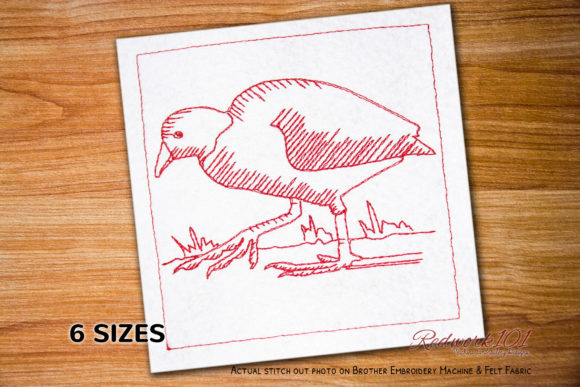
The visual layout suggests a design that relies heavily on clean lines and distinct color blocking. The description notes that the box stitch shown in promotional pictures is optional, which is a crucial detail for any serious craft business owner. It tells me the digitizer understands versatility. Sometimes, you want the bird framed for a patch or a pocket square; other times, you need the silhouette to stand alone on a curved surface like a cap or across the chest of a sweatshirt. Having the option to skip the outer box gives us, the makers, the flexibility to adapt the machine embroidery design to different handmade product contexts without needing to pay for a custom re-digitize.
Real-World Application: The Tote Bag Test
To truly evaluate this digital embroidery file, I imagined a specific real-life scenario: a custom order for a local nature conservancy looking for tote bag design options. They wanted something recognizable but elegant enough for adults to carry to farmer's markets. The American Coot, with its distinctive profile, is perfect for this. If I were stitching this onto a heavy canvas tote, the design's structure would hold up well against the textured fabric.
In this scenario, the decision to include or exclude the optional box becomes a branding choice. With the box, it feels like a badge or an emblem—great for a uniform or a specific event merchandise line. Without the box, the bird feels more organic, floating freely on the fabric, which often appeals more to customers looking for a personalized gift rather than corporate swag. The ability to toggle this element means this single embroidery file can serve two different market segments, increasing its value for an Etsy seller or boutique owner.
Performance on Different Fabrics and Surfaces
One of the most critical aspects of reviewing any Embroidery asset is predicting how it behaves on various materials. The American Coot design appears to have a balance of satin stitch outlines and fill stitch areas. This combination generally works well on stable fabrics like cotton twill, denim, or linen. However, caution is needed when moving to stretchy or textured materials.
- Sweatshirts and Hoodies: For sweatshirt embroidery, the design should perform nicely provided the stabilizer is robust. The fill areas need to be dense enough to prevent the fleece underneath from poking through, but not so dense that the fabric puckers. I would recommend testing a sample on scrap fleece first to check the stitch density.
- Caps and Hats: Placing this on a curved surface like a baseball cap requires careful attention. If the optional box is used, the corners might distort slightly on the front panel of a structured cap. Skipping the box and using just the bird silhouette is likely the safer bet for headwear, ensuring the shape remains crisp.
- Baby Embroidery: For softer items like onesies or baby blankets, the back of the stitching matters immensely. If the design uses heavy underlay or dense fills, it might be too scratchy for sensitive skin. In these cases, using a soft cut-away stabilizer and perhaps reducing the density slightly (if your machine allows) would be wise.
- Dark Fabrics: The description mentions that the color of the outer box differs in most designs. When working on dark navy or black garments, ensuring high contrast in your thread colors is vital. A dark grey coot on a black jacket will vanish. You may need to adjust the thread palette to include lighter outlines or highlights to make the bird pop.
Visual Appeal and Customer Perception
The ultimate goal of any commercial embroidery project is to create a finished product that builds trust and perceived value. The American Coot design has a professional look that avoids the "cheap" feel of low-resolution clipart converted to stitches. The clarity of the shape suggests a high-quality digitizing job, which translates directly to customer satisfaction. When a buyer sees clean edges and consistent fill coverage, they associate that quality with your brand.
For those creating printable mockups or digital previews for their online shops, this design offers strong visual recognition. It reads clearly even at smaller sizes, which is essential for thumbnail images on platforms like Etsy. However, for very small applications, such as a tiny logo on a collar tag, the intricate details of the beak or eye might merge. It is always best to inspect the smallest details of the design in your software before committing to a production run.
Practical Notes for Designers and Makers
Before integrating the American Coot Machine design into your inventory or client projects, there are several practical steps every professional should take. First and foremost, test the design on scrap fabric that matches your final product. This is non-negotiable. You need to see how the thread tension interacts with the specific material you are using.
Check the hoop size requirements carefully. While the exact dimensions aren't listed in the brief description, you must confirm that the design fits within the hoops you have available, especially if you are working with smaller machines or specific jigs for caps. Additionally, review the license terms. Just because a file is purchased doesn't automatically grant unlimited commercial embroidery rights for mass production or resale of the digital file itself. Always clarify if the license covers finished goods only or if there are restrictions on the number of units produced.
Consider the washing instructions for your end user. Dense designs with lots of running stitch or tight fills can sometimes cause fabric distortion after multiple wash cycles. Advising your customers on proper care, or choosing a backing that supports the design long-term, adds a layer of professionalism to your service.
Finally, think about the color story. The note about the optional box color varying suggests that the design is meant to be adaptable. Don't be afraid to experiment with non-traditional thread colors. A monochromatic look using shades of grey and white can be incredibly sophisticated for home decor items like pillow covers or tea towels, while vibrant, realistic colors might be better suited for educational materials or children's holiday embroidery projects.
In conclusion, the American Coot Machine embroidery design presents itself as a versatile and reliable asset for the modern maker. Whether you are decorating custom apparel, creating an embroidered patch for a local club, or stocking your small shop product line with nature-inspired goods, this file offers the structural integrity and aesthetic charm needed to succeed. By respecting the nuances of fabric texture, stabilizer choice, and licensing, you can turn this digital asset into a tangible product that delights customers and strengthens your brand reputation.