Camera Applique Design Review for Business Merch
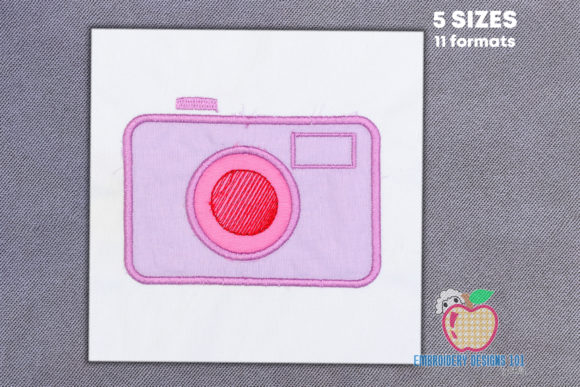
As an embroidery designer who has spent years digitizing and reviewing files for commercial use, I approach every new machine embroidery design with a critical eye. It is not just about whether the image looks cute on a screen; it is about how that digital embroidery file translates into a tangible asset for a small business. Today, I am reviewing the Camera Applique Design, a file situated in the Vacation category, to determine its viability for branded merchandise, staff uniforms, and handmade product lines.
My first impression of the Camera Applique Design is that it strikes a balance between playful and professional. The concept of a camera immediately evokes themes of memory, creativity, and documentation, making it an excellent fit for photographers, travel bloggers, creative studios, and even local cafes that want to emphasize "capturing the moment." The applique technique suggested by the title implies a layered look, which often adds a premium, textured feel to the finished product. Unlike simple satin stitch logos, applique designs allow for the incorporation of different fabric textures, giving the brand identity a unique, handmade touch that stands out in a sea of generic printing.
Real-World Applications for Small Business Merch
When evaluating this design for small business merch, the potential applications are vast. For a photography studio or a vacation rental company, this design serves as a perfect chest logo accent on staff polo shirts. It reinforces the service provided without being overly aggressive. Imagine a boutique hotel providing guests with a high-quality tote bag featuring this tote bag design; it acts as both a functional item and a walking advertisement.
For the growing market of Etsy sellers and crafters, this embroidery file could be the centerpiece of a niche product line. Think of embroidered patches that customers can iron or sew onto their own denim jackets or backpacks. The embroidered patch market is booming, and a well-executed camera motif appeals to hobbyists and professionals alike. Furthermore, for bakeries or florists who offer gift wrapping or special event services, adding this design to an apron embroidery project elevates the perceived value of the service. It tells the customer that attention to detail is a core part of the business ethos.
The description notes that steps are separated by color changes. This is a crucial feature for commercial embroidery shops running multi-head machines. It allows for efficient thread trimming and color switching, ensuring that the production flow remains smooth whether you are making ten units or a hundred. The versatility of the design means it can adapt to various custom apparel needs, from casual tees to structured blazers.
Technical Considerations and Placement Strategy
While the aesthetic appeal is strong, a professional review must address the technical challenges. Applique designs inherently have higher stitch density due to the tack-down stitches, the fabric layer, and the final covering stitch. When planning to use the Camera Applique Design on curved surfaces like a baseball cap, one must be cautious. Cap embroidery requires careful hooping and often a specific backing to prevent puckering. If the design is too dense or the fabric of the cap is too thin, the result can be stiff and uncomfortable.
Size is another critical factor. If a client wants this as a tiny sleeve detail or a small label on a garment, the intricacy of the camera lens or shutter details might get lost. In small patch sizes, fine lines can merge, turning a crisp image into a muddy blob. I always advise testing the design at the intended minimum size before committing to a full production run. Additionally, when working with dark uniforms, the contrast of the thread colors becomes paramount. A light-colored applique fabric against a dark shirt can look stunning, but it requires precise registration to avoid showing the base fabric underneath.
Fabric texture also plays a significant role. On a smooth twill or cotton poplin, the design will shine. However, on textured fabrics like fleece or heavy canvas, the applique edges might not lay as flat, potentially affecting the visual consistency of the brand. For items that require frequent washing, such as staff aprons or work shirts, the durability of the applique edge is vital. Proper stabilizer selection is non-negotiable here to ensure the design holds its shape wash after wash.
Elevating Brand Identity and Customer Trust
In the world of handmade brands and boutique businesses, perception is reality. Using a high-quality machine embroidery design like this communicates professionalism. It signals to the customer that the business invests in quality assets rather than opting for cheap, peel-off transfers that crack over time. This investment builds customer trust and recognition. When a customer sees a consistent, well-executed logo on a tote bag, a hat, and a uniform, it creates a cohesive brand experience.
The "Vacation" categorization of this design adds a layer of emotional connection. It suggests leisure, exploration, and joy. For a business selling travel accessories or offering experience-based services, this emotional resonance can drive buyer engagement. It transforms a simple piece of clothing into a story-telling device. Moreover, for those creating printable mockup portfolios to show clients, having a versatile design asset like this allows for diverse presentation options, showcasing how the brand can live across different mediums.
Professional Designer Notes for Production
Before you load this file into your machine for a client order, there are several practical steps you should take to ensure success. First, test it in black and white or grayscale. This helps you evaluate the contrast and structure of the design without the distraction of color, ensuring the shape reads clearly even if thread availability is limited later.
- Check Scalability: Verify if the design retains its integrity at the smallest size you intend to use, especially for patches or pocket logos.
- Review Thread Contrast: Ensure your chosen thread colors provide enough distinction between the camera body, the lens, and the background fabric.
- Inspect Spacing: Look closely at the digitizing to ensure there is adequate spacing between elements to prevent thread bunching.
- Confirm Hoop Size: While the description mentions multiple formats, always double-check that the specific file version you download fits your available hoop size.
- Test on Real Fabric: Never skip a test run on the actual material you plan to use for the final product to check for puckering or registration issues.
- Use Proper Stabilizer: Given the applique nature, select a stabilizer that supports the weight of the added fabric layer.
- Create a Mockup: Generate a digital or physical mockup for client approval to manage expectations regarding texture and size.
- Compare Assets: Place this design beside other design assets in your brand kit to ensure visual harmony.
- Verify Licensing: Most importantly, confirm the commercial licensing terms before using this for business sales, as terms vary by designer.
The product description states that the Camera Applique Embroidery Design comes with multiple embroidery file formats suitable for various machines, with steps separated by color changes. However, it does not specify exact stitch counts, precise hoop dimensions, or detailed license restrictions. Therefore, it is imperative to review the specific readme file or product listing details thoroughly before beginning production. By taking these precautions, you can leverage this Vacation themed Embroidery design to create standout merchandise that enhances your brand's professional image and delights your customers.