Celtic Pattern Book Cover: In the Hoop Review
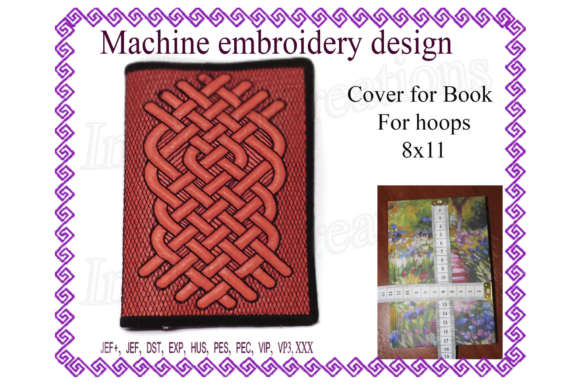
As an embroidery designer constantly scouting for unique assets to elevate boutique apparel, I recently explored the Cover for Book Celtic Pattern - in the Hoop on Creative Fabrica. While the product title suggests a stationery application, my immediate instinct was to look beyond the obvious. In the world of custom apparel and sweatshirt projects, the line between home decor and fashion is increasingly blurred. This machine embroidery design caught my eye not just for its intended purpose, but for its potential as a sophisticated motif on hoodies, denim jackets, and oversized tees.
When you first inspect the digital preview of this celtic pattern, the visual personality is unmistakably classic yet intricate. The interlacing lines typical of celtic knotwork offer a decorative strength that feels both rustic and premium. For a small clothing brand looking to establish a cohesive identity, this design offers a level of detail that screams "handmade quality" without requiring hours of manual digitizing. It strikes a balance between bold and feminine, making it versatile enough for a unisex collection or a specifically curated women's line.
Visual Mood and Apparel Application
The stitching mood of this design leans heavily towards the traditional, which is currently trending in the "cottagecore" and heritage-inspired fashion sectors. Imagine placing this celtic motif on the chest of a neutral oatmeal sweatshirt or a pastel hoodie. The complexity of the knots provides a focal point that draws the eye immediately, adding value to what might otherwise be a blank garment. For Etsy sellers and creative entrepreneurs, this kind of visual interest is crucial for stopping the scroll on social media graphics and lifestyle product photos.
I envision using this embroidery file for more than just book covers. The structural integrity of the celtic lines makes it an excellent candidate for sleeve accents on long-sleeve tees or even as a subtle back design on a lightweight jacket. When applied to dark apparel, such as a charcoal grey or navy fleece, the contrast of light thread colors against the fabric texture can create a stunning, high-end look. Conversely, on a white tote bag or a canvas shopper, the design acts as a standalone piece of art, transforming a simple utility item into a boutique merchandise staple.
Performance on Different Fabrics
Before committing to a full production run for a seasonal outfit collection, it is vital to consider how this design performs on various materials. Sweatshirt embroidery requires careful attention to stitch density. Celtic patterns often involve many direction changes and overlapping lines. On thick fleece or French terry, this is rarely an issue, as the fabric can support the weight of the stitches. However, if you are planning to use this on a thinner t-shirt or a stretchy ribbed fabric, you must proceed with caution.
Dense stitch areas on stretchy fabric can lead to puckering or distortion, especially on curved surfaces like the shoulder or sleeve. For these applications, I strongly recommend testing on scrap fabric first. Your choice of stabilizer will make or break the finished product. A cut-away stabilizer is likely necessary to maintain the shape of the intricate celtic loops over time, whereas a tear-away might leave the design unstable on garments that undergo frequent washing and wearing.
Elevating Brand Identity and Buyer Trust
In the competitive landscape of online shops, product recognition is key. Using a distinct motif like the Cover for Book Celtic Pattern - in the Hoop can help build visual consistency across your catalog. If you use this design on a hoodie, match it with a similar aesthetic on your tote bags or packaging inserts. This professional presentation fosters buyer trust; customers perceive the brand as thoughtful and detail-oriented when they see high-quality embroidery rather than cheap prints.
Furthermore, this design supports the narrative of the handmade product. In an era of mass production, showcasing the texture and depth of machine embroidery differentiates your small shop product from big-box retailers. The tactile nature of the stitches invites engagement, encouraging customers to touch and feel the garment, which significantly boosts conversion rates in physical pop-up shops and enhances the perceived value in digital listings.
Practical Designer Notes for Production
To ensure the best results with this Creative Fabrica embroidery asset, here are my top recommendations for fellow designers:
- Check Thread Contrast: Celtic patterns rely on the visibility of each strand. Ensure your thread colors contrast sufficiently with the fabric so the intricate weaving of the pattern does not get lost.
- Confirm Hoop Size: Although the product description mentions it comes with multiple embroidery file formats, always verify the specific hoop size required before hooping your garment. Misalignment can ruin expensive blank stock.
- Review Licensing: Before selling finished apparel commercially, double-check the licensing terms on the Creative Fabrica product page. Ensure that the license allows for the sale of physical goods made with the digital embroidery file.
- Test Placement: Compare placement options carefully. A design meant for a flat book cover might need adjustment when placed on the curved chest of a hoodie. Consider scaling the design if the original dimensions feel too overwhelming for a small chest placement.
- Inspect Stitch Density: Look closely at the stitch count and density in your embroidery software. If the design seems too dense for your chosen fabric, you may need to edit the file or choose a heavier material.
It is important to note that while the product description states this is a high-quality embroidery ready for your next sewing project with multiple file formats, specific details like exact stitch counts or compatible machine brands are not explicitly listed in the brief summary. Therefore, I advise readers to download the preview or check the full product details on Creative Fabrica to confirm compatibility with their specific machines before starting production.
Final Thoughts on Commercial Viability
The Cover for Book Celtic Pattern - in the Hoop is a prime example of how a single digital embroidery file can be repurposed for diverse commercial embroidery products. Its versatility allows it to transition seamlessly from a niche craft item to a central element of a trendy apparel collection. Whether you are creating cozy seasonal outfits for the holidays or building a year-round line of custom apparel, this design offers the decorative punch needed to stand out.
For the modern embroidery shop owner, the ability to adapt designs like this for sweatshirt embroidery, tote bag design, or jacket embellishments is a valuable skill. By paying attention to fabric texture, stabilizer choice, and placement, you can turn this celtic pattern into a signature element of your brand. The result is a finished product that feels intentional, luxurious, and deeply connected to the artisan roots of the sewing and embroidery community.
Ultimately, integrating such detailed motifs into your workflow not only enhances the aesthetic appeal of your garments but also streamlines your design process. Instead of digitizing complex celtic knots from scratch, leveraging a pre-made, high-quality file allows you to focus on garment construction, marketing, and customer engagement. It is a smart move for any creative entrepreneur looking to scale their handmade business without sacrificing quality.