Confident Young Chef Bluework: A Designer's Review
As an embroidery designer who spends countless hours digitizing and stitching for clients, I am always on the lookout for design assets that balance charm with technical reliability. When I first encountered Confident Young Chef Bluework on Creative Fabrica, my immediate reaction was one of curiosity. The "Bluework" aesthetic suggests a classic, monochromatic look reminiscent of traditional Delftware or vintage kitchen linens, which is a massive trend in home decor right now. However, as professionals, we know that a pretty preview image does not always translate to a smooth stitch-out. This review breaks down how this design holds up when moved from the screen to the hoop for real-world commercial and personal projects.
Visual Mood and Design Personality
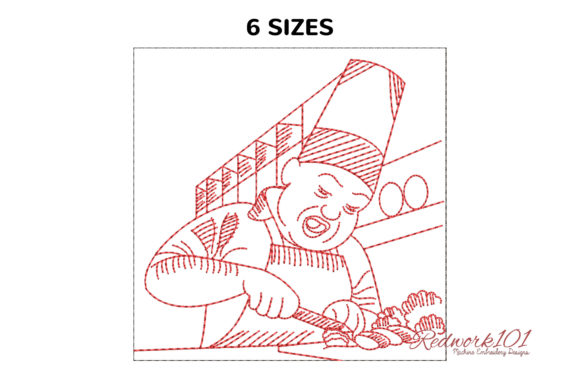
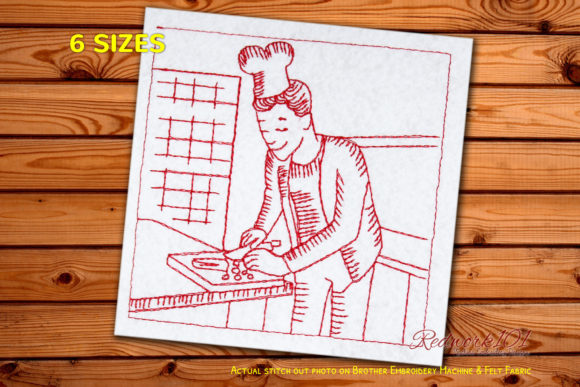
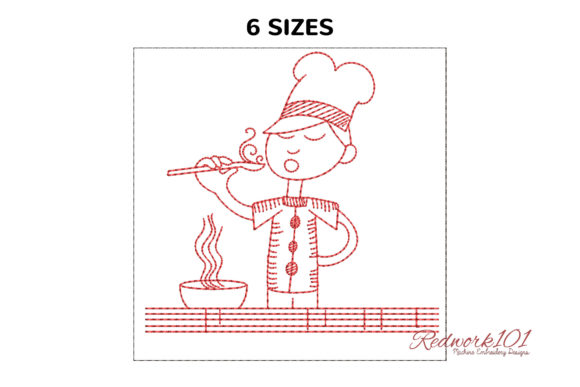
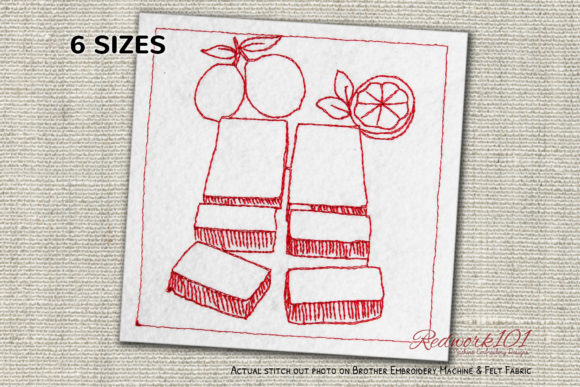
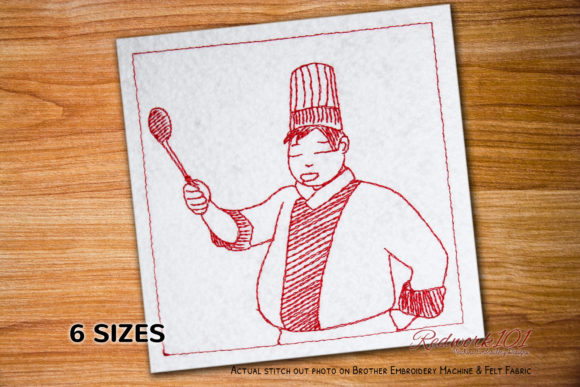
The first thing that stands out about Confident Young Chef Bluework is its distinct personality. It captures a whimsical yet professional vibe, perfect for the modern culinary enthusiast. The use of blue tones gives it a clean, crisp appearance that feels both nostalgic and fresh. Unlike many generic chef designs that rely on heavy black outlines or overly complex shading, this design leans into simplicity. The description notes that the box stitch shown in some pictures is optional, which is a crucial detail for us designers. It implies flexibility; you can frame the character or let it stand alone depending on your garment or product constraints.
The stitching personality appears to favor clean lines and defined shapes. In the world of machine embroidery design, clarity is king. A design that looks muddy when stitched out at small sizes is useless for things like caps or patches. Based on the visual structure, this file seems optimized for readability, making it a strong candidate for items where the design needs to pop without excessive thread bulk.
Real-World Application Scenarios
When evaluating a new embroidery file, I immediately brainstorm where it fits in my product lineup. Confident Young Chef Bluework is naturally suited for the Kitchen category, but its appeal goes far beyond just aprons. Here is how I see this design performing across various mediums:
- Custom Apparel: This would be adorable on a child's denim jacket or a bistro-style shirt for restaurant staff. The blue palette works exceptionally well on white, light grey, or even navy fabrics if you adjust the thread colors slightly.
- Tote Bag Design: Canvas tote bags are staples for craft fairs. A single, centered chef motif adds a boutique feel to a plain bag, elevating it from a grocery carrier to a stylish accessory.
- Sweatshirt Embroidery: For cooler months, placing this on the left chest of a crewneck sweatshirt creates a cozy, homemade aesthetic that sells well on Etsy.
- Embroidered Patch: If you have a cut-and-sew workflow, this design is compact enough to be made into a woven-style patch using satin borders, adding value to hats or backpacks.
- Nursery Decor: The "young chef" theme is perfect for baby blankets or bibs, appealing to parents who love cooking with their little ones.
Technical Considerations for Production
Before committing to a large order, every experienced embroiderer knows we must consider the technical limitations of our machines and materials. While Confident Young Chef Bluework looks promising, there are practical factors to address to ensure a high-quality finished product.
Fabric and Stabilizer Choices: Since this design likely utilizes a mix of satin stitch for outlines and fill stitch for the interior details, fabric choice matters. On stretchy fabrics like jersey knits for t-shirts, using a cut-away stabilizer is non-negotiable to prevent distortion over time. For woven items like tea towels or aprons, a tear-away might suffice, but testing is essential. If you are stitching on textured fabric like a waffle-weave kitchen towel, you may need to adjust your pull compensation to ensure the stitches lay flat and do not sink into the texture.
Hoop Size and Placement: One of the advantages of this design is its likely compatibility with smaller hoops. If you are working on curved surfaces, such as a baseball cap, confirming the exact dimensions is vital. Cap frames have limited space, and if the design includes the optional outer box, it might be too wide for a standard front-panel stitch. In such cases, skipping the box as suggested in the product details allows for greater versatility on custom apparel like dad hats.
Stitch Density and Washability: Products intended for the kitchen, such as aprons and towels, undergo frequent washing. High stitch density can sometimes lead to stiffness or thread breakage after multiple cycles. It is advisable to inspect the stitch count (which should be verified on the product page) and ensure the underlay is sufficient. If the design feels too dense during a test run on scrap fabric, consider editing the fill angles in your digitizing software to reduce bulk while maintaining coverage.
Enhancing Product Value and Brand Consistency
In the competitive market of handmade goods, visual appeal drives sales. Confident Young Chef Bluework offers a cohesive look that can strengthen brand consistency. If you specialize in kitchen-themed goods, using a specific color palette like this bluework style across your entire shop creates a recognizable identity. Customers trust shops that look curated and professional.
Furthermore, the "giftability" factor of this design is high. Personalized gifts are a huge sector of the commercial embroidery market. Imagine adding a name below the chef in a complementary script font. This simple addition transforms a standard design into a personalized gift that commands a higher price point. The clean lines of the design also photograph beautifully for printable mockup creation, allowing you to list items in your online store before even stitching the physical sample.
Final Verdict and Best Practices
Is Confident Young Chef Bluework worth downloading? For designers looking to expand their kitchen and culinary catalog with something that feels less clip-art and more artisanal, the answer is likely yes. However, success lies in the preparation.
Before running this on a customer's expensive garment, follow these steps:
- Test on Scrap Fabric: Always stitch a sample on the same material you intend to sell. Check for puckering or registration issues.
- Check Thread Contrast: Ensure your chosen blue threads provide enough contrast against your base fabric. On dark fabrics, you may need to lighten the thread shades or add a backing layer.
- Review Licensing: Always confirm the license terms on the Creative Fabrica embroidery product page. Ensure you are compliant regarding the number of physical items you can sell.
- Inspect Small Details: Look closely at tiny elements like the chef's eyes or utensil handles after stitching. These areas often require careful trimming of jump stitches.
Ultimately, Confident Young Chef Bluework represents the kind of versatile design asset that can streamline your production process. By understanding its strengths and respecting the technical requirements of embroidery, you can create stunning products that resonate with buyers and stand the test of time. Whether you are stocking up for a holiday craft fair or fulfilling a custom order for a local bakery, this design has the potential to be a reliable workhorse in your digital library.