Cute Boy Play with Cap Lineart Design Review
As an embroidery designer who spends countless hours digitizing and stitching for clients, I am always on the lookout for design assets that balance charm with technical reliability. Recently, I came across the Cute Boy Play with Cap Lineart Design on Creative Fabrica. With a backlog of custom apparel orders and a need for fresh nursery decor ideas, I decided to evaluate this file not just as a digital download, but as a potential workhorse for real-world commercial embroidery projects.
First Impressions: Visual Mood and Detail Level
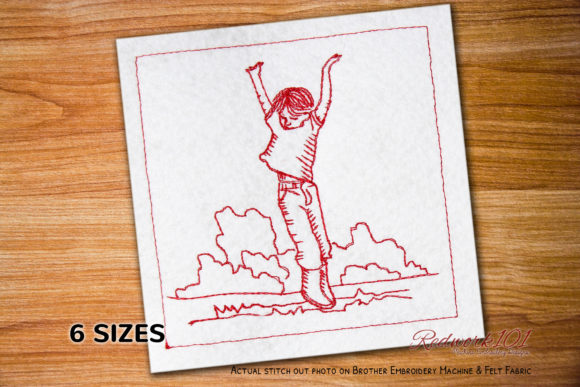
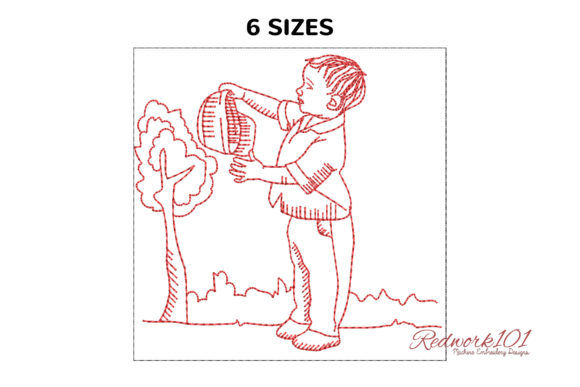
The moment you open the preview for Cute Boy Play with Cap Lineart Design, the visual mood is immediately apparent. It exudes a playful, youthful energy that fits perfectly within the Boys category without being overly aggressive or cliché. The lineart style suggests a clean, modern aesthetic that relies on strong outlines rather than heavy fills. This is crucial for a designer because lineart often translates better to smaller scales and varied fabrics than complex, dense illustrations.
The character features a cap, which adds a nice touch of personality and context. In my initial assessment, the design feels versatile enough for a wide range of applications, from a subtle chest logo on a sweatshirt to a prominent feature on a tote bag. The simplicity of the lines suggests it was digitized with flow in mind, likely utilizing a combination of running stitch for details and perhaps light fill stitch or satin stitch for the cap or specific accents. However, as with any digital embroidery file, the devil is in the details, and a closer look at the stitching personality is required before committing to a client order.
Performance in Real Embroidery Projects
When considering where to place this design, my mind immediately went to custom apparel. A toddler's t-shirt or a youth-sized hoodie would be an ideal canvas. The lineart nature of the Cute Boy Play with Cap Lineart Design means it shouldn't feel too heavy or stiff on lightweight garments, a common complaint with poorly digitized files. For sweatshirt embroidery, the design offers enough presence to stand out against thicker fleece without getting lost in the texture.
Beyond clothing, I see immense potential for home goods. Imagine this stitched onto a neutral-colored tote bag design for a boutique baby shower gift. The clean lines would pop beautifully against canvas or cotton duck. It would also make a delightful addition to kitchen towels or aprons, adding a whimsical touch to functional items. For those selling handmade products on platforms like Etsy, this design could easily be adapted into an embroidered patch. By adding a merrow edge or a simple satin border during your own digitizing phase (if the license permits modification) or selecting a version with a border, you create a high-value item for craft fairs.
The description notes that "The Box Stitch shown in picture is optional." This is a significant detail for professional use. It implies flexibility. If you are stitching on a curved surface like a cap, removing unnecessary background elements or boxes is often mandatory to ensure the hoop fits and the fabric feeds correctly. The ability to skip non-essential elements allows the Cute Boy Play with Cap Lineart Design to adapt to constrained hoop size limitations often found in cap frames or small pockets.
Technical Considerations and Fabric Challenges
No review is complete without discussing the technical hurdles of actual stitching. While the lineart style is generally forgiving, there are specific scenarios where caution is advised. If you plan to stitch this on dark fabric, you must carefully check the thread colors included in the file. Lineart designs rely heavily on contrast; if the outline color does not automatically adjust or if the underlay is insufficient, the design may look muddy on navy or black garments. Always run a test on scrap fabric that matches your final material.
Stitch density is another critical factor. Although lineart typically has lower density, areas where lines converge or where the cap detail is rendered could become dense. On stretchy fabrics like jersey knits, using the correct stabilizer is non-negotiable. A cut-away stabilizer would be my recommendation for any garment that needs to withstand frequent washing, ensuring the design doesn't pucker over time. For woven items like pillow covers or aprons, a tear-away might suffice, but I always lean towards stability for commercial quality.
Small details require extra attention. The "cap" element might involve tiny directional changes or short stitches. On textured fabrics like terry cloth towels, these small segments can sometimes get lost or pull unevenly. It is vital to inspect small details after stitching your first sample. If the design includes tiny lettering or intricate facial features, verify that they remain crisp and do not blend together, especially if you are scaling the design down for a pocket logo.
Enhancing Product Value and Brand Consistency
In the world of handmade business, visual appeal directly correlates to buyer trust. Using a cohesive set of designs helps establish brand consistency. The Cute Boy Play with Cap Lineart Design has a specific stylistic voice that can help define a collection. Whether you are creating a line of sibling shirts or a series of nursery wall hangings, this design contributes to a professional, curated look.
Furthermore, the "giftability" of a product is enhanced by thoughtful design choices. A personalized gift featuring this character, perhaps combined with a name added in your own embroidery software, becomes a cherished keepsake. The clean lines also photograph exceptionally well. For online sellers, having a design that looks crisp in printable mockup photos and real-life product photography is essential for driving customer engagement. A cluttered or poorly stitched design rarely converts well in photos, but a clean lineart piece like this tends to shine in digital storefronts.
Final Verdict and Practical Advice
After reviewing the Cute Boy Play with Cap Lineart Design, I believe it holds strong potential for various Embroidery projects, provided the user takes the necessary preparatory steps. It is not a "download and forget" situation for high-stakes commercial work. Before selling finished items, you must confirm file details and licensing terms on the Creative Fabrica product page. Ensure you understand the rights regarding the optional box stitch and whether modifications are allowed for creating patches or altering colors.
My advice is to treat this design as a solid foundation. Test it on both light and dark fabric mockups to gauge thread contrast. Verify the hoop size requirements against your machine's capabilities, especially if you intend to use it on caps or small accessories. If the stitch count and density align with your fabric choice, this design can elevate your finished product quality significantly. It bridges the gap between cute aesthetics and professional execution, making it a worthy addition to your library of Creative Fabrica embroidery resources.
Ultimately, the value of this design lies in its adaptability. Whether you are decorating a baby blanket, creating a unique patch, or fulfilling a bulk order for custom apparel, the Cute Boy Play with Cap Lineart Design offers a charming solution. Just remember: always stitch a sample, respect the fabric properties, and let the quality of your execution reflect the potential of the design.