Hungry Monster: A Designer's Take on Halloween Embroidery
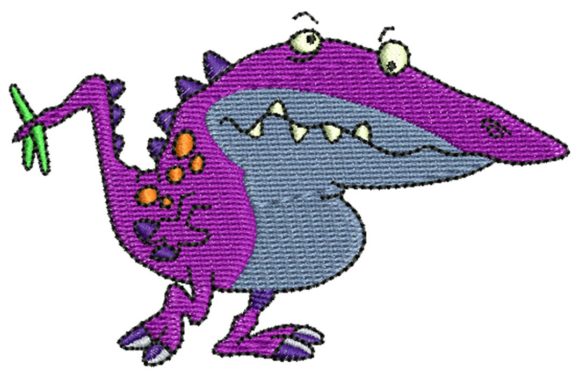
When I first pulled up the Hungry Monster design by Ron Leishman from Toonaday.com, my immediate reaction wasn't just about the cuteness factor; it was about stitchability. As someone who spends hours hooping fabric and troubleshooting thread breaks, I look at every machine embroidery design through a lens of practical application. This isn't just a clipart image; it's a potential embroidery project that needs to survive the rigors of a high-speed machine and look fantastic on a finished product. The character exudes a playful, slightly mischievous mood that is perfect for the season, but the real question is: how does it translate from a digital embroidery file to a tangible, high-quality item?
Visual Personality and Design Layout
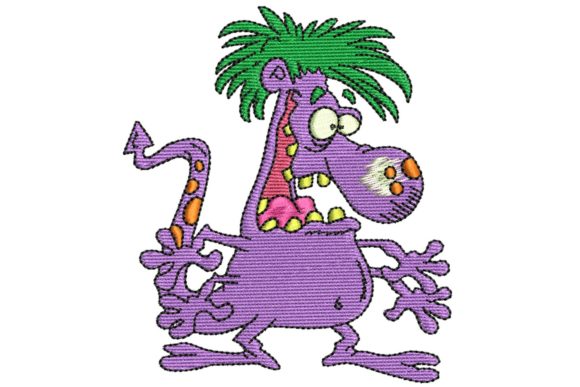
The visual personality of Hungry Monster is undeniably strong. It captures that classic "Trick or Treat" energy with a character ready to devour candies. For an Etsy seller or a craft business owner, this kind of recognizable, thematic imagery is gold. The layout appears straightforward, which is often a blessing in the world of digitizing. Complex gradients in clipart can sometimes turn into a nightmare of excessive color changes or messy fill stitch transitions if not handled correctly. However, the bold lines typical of Leishman's style suggest that this design likely relies on solid shapes, making it a strong candidate for clean satin stitch borders and stable fill areas.
From a designer's perspective, the shape and theme naturally lend themselves to specific applications. It feels right at home on items meant for children or fun-loving adults. The "hungry" aspect of the monster adds a narrative element that customers love. When you are selling a handmade product, storytelling increases value. A simple shirt becomes a conversation piece when it features a monster explicitly hunting for sweets. This design doesn't just sit on the fabric; it implies action, which boosts buyer engagement.
Real-World Application Scenarios
Let's talk about where this design actually shines in a real-life scenario. Imagine you are preparing a custom order for a local boutique looking for holiday embroidery items. I immediately picture Hungry Monster stitched onto a heavy-weight cotton tote bag. The structure of a tote provides a flat, stable surface that allows the details of the monster's expression to pop without distortion. Alternatively, consider a sweatshirt embroidery project. Placing this design on the left chest of a hooded sweatshirt creates a cute, understated look, while a larger version on the back could serve as a statement piece for a school spirit event or a family Halloween outing.
For those running a small shop product line, this design is versatile enough for baby embroidery as well. A onesie or a bib featuring this monster would be a hit as a personalized gift. Parents are always looking for unique custom apparel that stands out from mass-produced store items. Furthermore, if you are into making accessories, this could easily be adapted into an embroidered patch. By using a merrow edge or a tight satin border, you can create a peel-and-stick accessory that customers can add to their own jackets or bags later, expanding your revenue stream without needing to stock multiple garment sizes.
The design also holds potential for home decor. Think about a kitchen towel or a pillow cover. These items often use lighter weight fabrics, so the stability of the design is crucial. If the stitch density is balanced, the monster will look crisp on a tea towel, adding a seasonal touch to a customer's kitchen without weighing down the fabric or causing puckering.
Technical Considerations and Fabric Challenges
While the aesthetic appeal is high, we must address the technical realities of stitching Hungry Monster. Not all fabrics play nice with every design. If you are working with textured fabrics like waffle knit or thick fleece, you need to be cautious. High texture can obscure fine details, so ensure the monster's facial features are large enough to remain distinct. Similarly, when working on stretchy fabric, such as a performance t-shirt or a thin jersey, the risk of distortion is real. In these cases, using the correct stabilizer is non-negotiable. A cut-away stabilizer might be necessary to support the weight of the stitches and prevent the design from warping after washing.
Dark fabric presents another challenge. If the original clipart relies on light colors, you must verify that the digital embroidery file includes appropriate underlay stitches or if you need to manually adjust the thread colors to ensure visibility against a black or navy background. Sometimes, a design looks great on white but disappears on dark materials unless the digitizer has accounted for contrast. Additionally, curved surfaces like caps require careful hooping. If the monster has wide elements, it might not fit well within the limited hoop size of a cap frame, or the curvature could distort the shape of the monster's head.
Dense stitch areas are another point of inspection. If the design uses heavy filling to create the monster's body, it could become stiff, which is undesirable for baby clothes or items that need frequent washing. Always check the balance between detail and flexibility. Tiny lettering or intricate corners should be inspected closely; if they are too small, they may not stitch out cleanly, leading to a professional finish that feels amateurish.
Enhancing Brand Value and Customer Trust
Using a high-quality design like Hungry Monster directly impacts your brand consistency and customer trust. When a client receives a finished product where the stitching is clear, the colors are vibrant, and the design is centered perfectly, it reinforces the perception of professionalism. Conversely, a poorly executed design can damage your reputation. This specific character, with its friendly yet spooky vibe, helps in creating a cohesive printable mockup or social media preview that attracts attention. It signals to your audience that you understand current trends and have access to premium design assets.
For commercial embroidery projects, the recognizability of the art style can be a selling point. Fans of Ron Leishman's work might specifically seek out items featuring his characters. This recognition drives buyer engagement and can justify a higher price point for your handmade product. It transforms a generic Halloween item into a curated piece of art.
Practical Notes for the Studio
Before you commit to stitching this on a client's garment, there are several steps you should take. First, always test the design on scrap fabric that matches the weight and texture of your final material. This simple step saves money and prevents ruined products. Check the thread color contrast on both light and dark backgrounds to ensure the monster's expression reads clearly. Review the stitch density settings in your software; if it looks too dense, consider reducing the fill percentage to improve drape.
Confirm the required hoop size before purchasing or downloading the file to ensure it fits your machine's capabilities. Inspect small details in the preview mode—look for potential jump stitches that might need trimming or areas where colors change too frequently. It is also wise to test the design in a black-and-white mockup to see if the value structure holds up without relying on color.
Finally, and perhaps most importantly, verify the licensing terms. Since this is based on clipart by Ron Leishman from Toonaday.com, you must confirm whether the embroidery file you are using grants rights for commercial embroidery and selling finished items. Some licenses allow for personal use only, while others permit unlimited sales of physical goods but restrict selling the digital file itself. Ensuring you are compliant protects your craft business from legal issues and maintains your integrity as a creative entrepreneur.
In conclusion, Hungry Monster offers a delightful blend of whimsy and utility for the holiday season. With careful attention to fabric choice, stabilization, and licensing, it can become a staple in your autumn catalog, delighting customers and enhancing your portfolio of custom apparel and gifts.