Review: Common Crane Bird Redwork for Real Projects
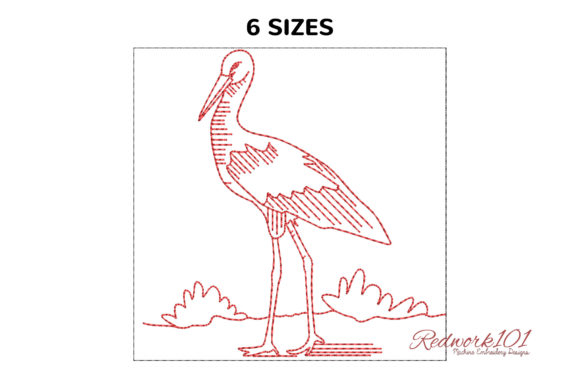
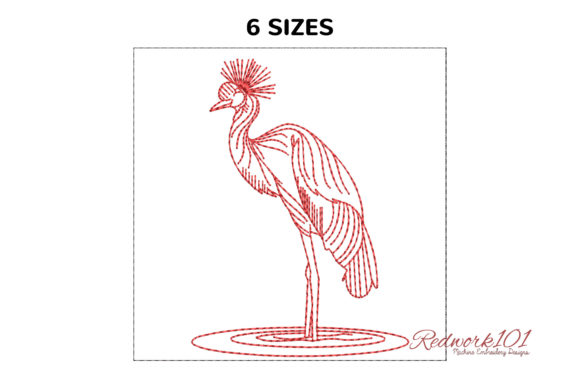
When I first pulled up the Common Crane Bird Redwork file on my design software, I wasn't looking for flashiness. As someone who spends hours hooping fabric and trimming jump stitches, I look for lines that flow and shapes that translate well from screen to thread. Redwork has a specific charm—it relies entirely on the quality of the line because there are no fill stitches or satin columns to hide behind. This design immediately struck me as a piece of quiet elegance. The silhouette of the crane is distinct, capturing that long-necked grace without getting bogged down in unnecessary detail. It feels less like a cartoon and more like a sketch you might find in an old nature journal, which gives it a timeless appeal suitable for high-end handmade products.
The Aesthetic: Minimalism with Character
The mood this machine embroidery design creates is serene and organic. In a market saturated with overly complex, dense digitizing, a clean redwork outline stands out by offering breathing room. The visual personality here is sophisticated yet approachable. Because it is a single-color outline (traditionally red, though easily adaptable), it forces the viewer to focus on the form of the bird. This makes it incredibly versatile. It doesn't scream for attention; instead, it invites a closer look. For Etsy sellers and boutique owners, this subtlety is a major asset. It suggests a level of taste that appeals to customers looking for understated, artisanal goods rather than mass-produced novelty items.
Real-World Application: The Linen Tote Scenario
To truly evaluate this Common Crane Bird Redwork, I imagined a specific project: a custom order for a local botanical shop needing branded tote bags. They wanted something that reflected nature but didn't look like a standard logo. I visualized this crane stitched onto a natural, unbleached linen tote. The texture of the linen paired with the simplicity of the running stitch would create a beautiful interplay of light and shadow. Unlike a heavy fill stitch that might make the bag stiff or cause puckering on a loose weave, this redwork design allows the fabric to remain soft and drape naturally.
In this scenario, the finished product feels premium. A customer buying this tote isn't just getting a bag; they are getting a piece of art. The crane becomes a symbol of longevity and good fortune, adding a layer of storytelling to the handmade product. If I were producing these for a small shop, I could easily swap the traditional red thread for a deep forest green or a charcoal grey to match specific brand colors, proving its flexibility as a design asset.
Versatility Across Products
Beyond tote bags, this design shines in several other areas of commercial embroidery. Consider sweatshirt embroidery. On a fleece or French terry fabric, dense designs can sometimes feel scratchy or too heavy. A redwork crane sits lightly on the surface, making it ideal for custom apparel where comfort is key. It would look equally striking on the chest of a cardigan or the hem of a scarf.
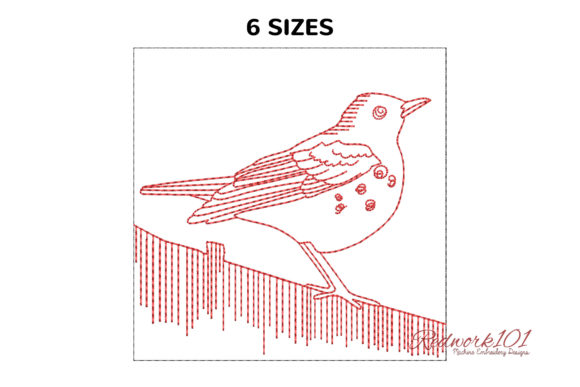
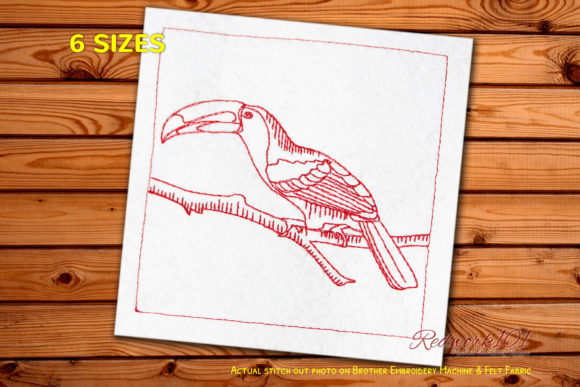
For those focusing on home decor, this is a strong contender for pillow covers and tea towels. Imagine a set of kitchen linens featuring different Birds in the same style; the Common Crane would be the statement piece. It also works wonderfully for baby embroidery. Parents often prefer simple, non-bulky designs for nursery items like blankets or bibs. The open nature of the stitch pattern ensures the item remains soft against sensitive skin. Furthermore, for holiday embroidery gifts, such as a personalized ornament or a table runner, this design offers a classic look that doesn't feel tied to a specific trend, ensuring the gift remains cherished for years.
Technical Considerations and Fabric Choices
While the design is robust, practical application requires careful planning. Redwork relies heavily on the contrast between the thread and the fabric. If you are stitching this on a dark fabric, you must ensure your thread color is vibrant enough to pop. Conversely, on very busy or patterned fabrics, the delicate lines of the crane might get lost. I recommend testing this embroidery file on solid colors first to gauge its impact.
Fabric texture plays a huge role here. On smooth cotton or broadcloth, the lines will be crisp and defined. However, on highly textured fabrics like bouclé or heavy wool, the continuity of the line might break up visually. In those cases, you might need to adjust the stitch length slightly if your machine allows, or simply accept a more rustic, hand-drawn aesthetic. When working with stretchy fabrics, such as jersey knits for t-shirts, using the correct stabilizer is non-negotiable. Even though the stitch count is likely low compared to a fill design, the fabric still needs support to prevent distortion during the stitching process.
One specific note regarding the product description: the listing mentions an optional box stitch surrounding the bird. In my professional opinion, I would almost always skip this unless the specific layout demands a framed look. The crane stands strong on its own. Adding a box can sometimes make the design feel rigid or dated, whereas the free-standing bird feels modern and organic. If the outer box is a different color in the file, be sure to check your machine's thread sequence to avoid unnecessary stops if you plan to omit it.
Maximizing Value and Professionalism
Using a design like Common Crane Bird Redwork correctly can significantly boost the perceived value of your finished product. Customers associate clean, intentional lines with professionalism. A sloppy redwork design with jagged edges looks amateurish, but a well-digitized one like this conveys confidence. It tells the buyer that the maker cares about the details. This builds trust, which is crucial for repeat business in the craft business world.
For digital product sellers, this design is excellent for creating printable mockups. Its clear silhouette photographs well and looks great in flat-lay images for social media or online listings. It helps potential buyers visualize the end result without the distraction of complex shading or multiple colors.
Final Designer Notes and Best Practices
Before committing to a production run, always stitch a test sample on scrap fabric that matches your final material. Check the stitch density to ensure there are no gaps in the line, especially in the curves of the wings and the legs. Verify the hoop size required; while redwork is generally compact, you need enough room to hoop the fabric securely without distorting the grain.
Also, consider the end use regarding care. Items that will be frequently washed, like aprons or baby clothes, should be stitched with high-quality polyester or rayon thread that resists fading. Finally, always confirm the licensing terms provided with the download. While many files allow for commercial use on physical goods, restrictions may apply to reselling the digital embroidery file itself or using it on certain types of mass-produced merchandise.
In conclusion, the Common Crane Bird Redwork is a thoughtful, versatile addition to any designer's library. It bridges the gap between artistic expression and practical application, making it a reliable choice for everything from a personalized gift to a signature element in a small shop's product line. With the right fabric and thread choices, it elevates the simple act of stitching into a statement of style.