Snowcat Truck Embroidery: A Designer's Field Review
When I first pulled up the Snowcat Truck design on my screen, my immediate reaction wasn't just about the subject matter; it was about the potential application. As someone who spends hours hooping fabric and trimming jump stitches, I look for designs that translate well from a digital preview to a tangible, stitched reality. This piece falls squarely into the Transportation category, but its charm lies in how it bridges the gap between rugged utility and cozy winter aesthetics. For embroidery designers and small business owners looking to expand their winter catalog, this design offers a compelling narrative for custom apparel and home decor.
First Impressions and Visual Personality
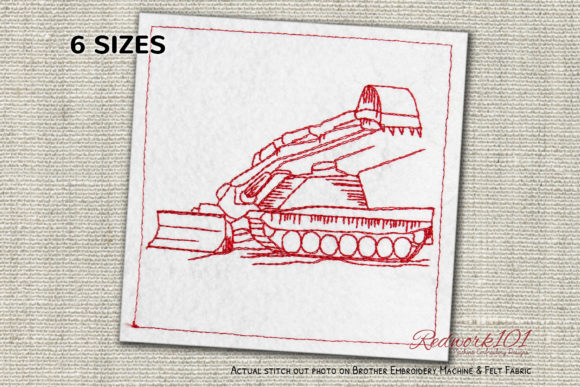
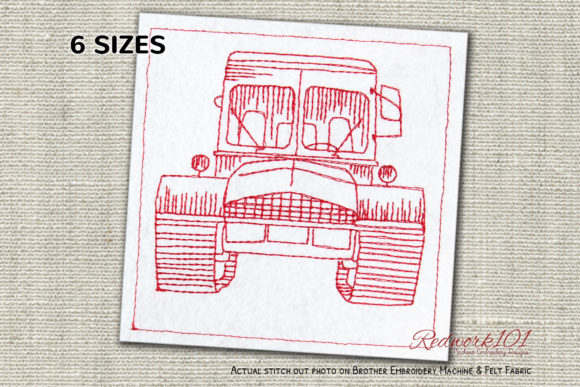
The visual personality of the Snowcat Truck is distinct. It evokes a sense of adventure and nostalgia, perfect for the current trend of "cabin core" and outdoor-inspired fashion. The shape is recognizable even at smaller scales, which is a critical factor when evaluating an embroidery file for versatility. The lines appear clean, suggesting a balance between satin stitch outlines for definition and fill stitch areas that provide substance without becoming a solid block of thread.
One specific detail noted in the product description is the optional box stitch surrounding the truck. From a designer's perspective, this is a fantastic feature. It gives us control over the final footprint of the design. If you are working on a tote bag design where you want a framed, patch-like look, keeping the box adds structure. However, if you are aiming for a more organic feel on a sweatshirt embroidery project, skipping that outer color allows the truck to float freely on the fabric. This flexibility is rare and highly valuable for custom work.
Real-World Application: The Winter Market Scenario
Let's walk through a real-life scenario. Imagine you are preparing inventory for a holiday craft fair or updating your Etsy shop for the winter season. You decide to create a line of heavy cotton canvas tote bags and fleece-lined hoodies. The Snowcat Truck fits perfectly here. On a navy blue hoodie, the white and silver tones of a snowcat pop beautifully, creating a high-contrast finished product that feels premium.
I can envision this design working exceptionally well as a left-chest logo on a puffer jacket or centered on the back of a flannel shirt. For baby embroidery, scaling this down for a onesie or a nursery pillow cover creates an adorable, gender-neutral theme that appeals to parents who love the outdoors. The key is understanding the mood; this isn't just a vehicle; it's a symbol of winter exploration. When customers see this on a handmade product, they aren't just buying a shirt; they are buying into a lifestyle.
Navigating Fabric Textures and Hoop Constraints
While the design is promising, practical execution requires caution. Not all fabrics play nice with every machine embroidery design. If you plan to stitch the Snowcat Truck on textured fabrics like waffle knit or thick terry cloth, you must account for the fabric's pile. Dense stitch areas might sink or get lost if the stabilizer isn't robust enough. I always recommend testing on scrap fabric first, especially if you are using a stretchy fabric like jersey for a t-shirt.
The mention of the optional box stitch brings up an important point about hoop size. If you choose to include the border, ensure your hoop can accommodate the full width without needing to re-hoop, which can lead to registration errors. For curved surfaces like caps, the flat nature of a truck design can be tricky. The distortion on a structured cap might make the wheels look oval or the cab skewed. In such cases, I would advise sticking to flat garments or perhaps adapting the design into a standalone embroidered patch that can be sewn on later, bypassing the curvature issue entirely.
Stitch Density and Clarity Considerations
A common pitfall in transportation-themed embroidery is overly dense detailing that turns into a thread mess after washing. With the Snowcat Truck, attention must be paid to the small details—like the tracks or the cab windows. If these elements are too tight, they may cause puckering. As a reviewer, I suggest checking the stitch density in your embroidery software before loading the file onto your machine. If the design feels too heavy, pulling out some fill stitches or converting small areas to running stitch can improve the drape of the garment.
Thread color contrast is another make-or-break element. Since snowcats are often associated with white snow, using white thread on a light fabric might result in a lack of definition. To maintain stitching clarity, consider using a subtle outline color or ensuring the background fabric provides enough contrast. Testing the design in black and white mockups can help you visualize the value structure before you ever thread the needle.
Commercial Viability and Brand Consistency
For Etsy sellers and creative entrepreneurs, consistency is key to building trust. The Snowcat Truck offers a professional look that elevates a small shop product from amateur to boutique quality. However, before listing this as part of your design assets or selling finished items, you must verify the licensing terms. The product description hints at customization options, but it does not explicitly state commercial rights. Always confirm whether the license allows for unlimited sales of finished goods or if there are restrictions on digital redistribution.
Furthermore, consider how this design fits into your broader brand. If your shop specializes in holiday embroidery or outdoor gear, this is a natural fit. If your brand is more urban or minimalist, you might need to adjust the color palette to match your aesthetic. The ability to skip the outer box color helps here, allowing for a cleaner integration into various branding styles.
Final Verdict for the Practical Maker
In conclusion, the Snowcat Truck is a versatile and charming addition to any embroidery project library. Its strength lies in its adaptability—from a rugged patch on a work jacket to a delicate accent on a holiday pillow. However, its success depends on the maker's attention to detail regarding fabric choice, stabilizer selection, and stitch optimization.
My advice is to treat this design as a collaborative partner. Don't just stitch it blindly; interact with it. Test it on dark and light backgrounds. Play with the optional border. See how it handles different thread colors. By taking these practical steps, you ensure that the final result not only looks good in a printable mockup but stands up to the rigors of real-world wear and washing. For those willing to put in the prep work, this design has the potential to become a bestseller in your winter collection, offering customers a piece of art that feels both handmade and professionally crafted.