Wicket Keeper Gloves: A Pro Review for Branded Merch
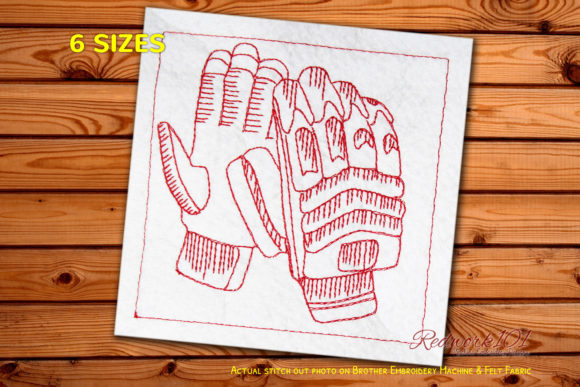
As an embroidery designer who has spent years digitizing and stitching logos for everyone from local bakeries to boutique fitness studios, I approach every new machine embroidery design with a critical eye. It is not just about whether the image looks cute on a screen; it is about how that digital embroidery file translates into a tangible asset that builds brand identity. Today, I am reviewing the Wicket Keeper Gloves design. At first glance, this piece feels bold and sporty, yet it possesses a structural integrity that makes it surprisingly versatile for non-sports applications. While it falls under the Sports category, its clean lines and distinct shape offer a unique opportunity for small business owners looking to add a touch of rugged professionalism to their small business merch.
First Impressions and Visual Personality
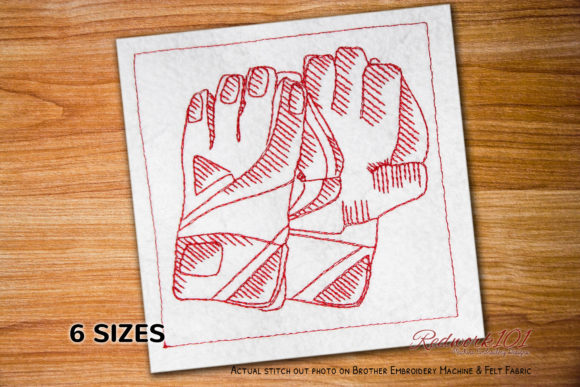
The initial impression of the Wicket Keeper Gloves is one of durability and focus. Unlike some overly decorative or whimsical designs, this graphic carries a sense of purpose. The description notes that "The Box Stitch shown in picture is optional," which immediately tells me this design was created with flexibility in mind. For a branding expert, this is a green light. It means we can adapt the silhouette to fit various aesthetic needs without losing the core recognition of the image. Whether you are aiming for a modern, athletic look or a vintage, workwear vibe, the option to include or exclude the outer box allows for significant customization. The mention that the outer box color often differs suggests a layered approach to color theory, allowing for high contrast that pops against different fabric backgrounds.
Real-World Business Applications
Let's move beyond the cricket pitch and imagine how this design performs in a real commercial setting. If you run a creative studio, a pet brand, or even a specialized café, the Wicket Keeper Gloves can serve as a powerful symbol of protection, grip, or precision. Here is how I see this embroidery file working across different products:
- Embroidered Patches: This is arguably the strongest use case. The defined shape of the gloves makes for an excellent embroidered patch that can be ironed or sewn onto denim jackets, canvas bags, or aprons. The optional box stitch acts as a perfect border for a merrow edge finish.
- Staff Uniforms and Aprons: For a business where staff handle delicate items or heavy equipment, placing this design on an apron embroidery project adds a thematic layer of "careful handling." It works exceptionally well on chest pockets of work shirts.
- Cap Embroidery: The compact nature of the glove silhouette fits well on the front panel of a baseball cap. However, curvature must be considered during digitizing to prevent puckering.
- Tote Bag Design: A large-scale version of this design on a canvas tote creates a statement piece. It signals that the bag is meant for carrying valuable or heavy items, aligning with the protective nature of the gloves.
- Product Packaging Accents: Small versions can be stitched onto fabric tags attached to handmade products, serving as a unique seal of quality or a "handled with care" marker.
Critical Considerations for Production
While the design is promising, there are specific areas where caution is required to ensure the finished product meets professional standards. As a designer, I always advise checking the stitch density before running a full production batch. Sports-themed designs sometimes rely on dense satin stitches to create a shiny, premium look, but this can lead to stiffness on lighter fabrics.
You must be careful when applying this to curved surfaces like cap fronts or sleeve cuffs. If the design includes fine details within the glove fingers, these might merge if the hoop size is too small or if the fabric shifts. Additionally, the note about skipping the outer box color is crucial. If you are stitching on a dark uniform, ensure the thread colors chosen for the gloves themselves provide enough contrast. A dark glove on a black shirt will vanish, destroying your visual consistency.
Furthermore, consider the fabric texture. Highly textured towels or coarse canvas might eat up the finer details of the stitching. Always test on the actual material you intend to sell. If the design is intended for frequent washing, such as on gym wear or kitchen aprons, verify that the underlay is sufficient to prevent the edges from fraying over time.
Impact on Brand Identity and Trust
In the world of commercial embroidery, every stitch contributes to customer perception. Using the Wicket Keeper Gloves correctly can elevate your brand identity by signaling specialization and attention to detail. For an Etsy seller or a craft business, offering merchandise with such a specific, high-quality motif suggests that you care about the tools of your trade. It builds customer trust because it looks intentional rather than generic.
When used as a handmade product label or a limited-edition gift for loyal customers, this design adds perceived value. It transforms a standard item into a collector's piece. The professional execution of the gloves implies that your business operates with the same level of precision and protection that the equipment represents. This psychological link can significantly boost buyer engagement and make your design assets feel more premium.
Practical Designer Notes for Success
Before you commit to selling this design as part of your catalog, follow these practical steps to ensure success:
- Test in Black and White: Remove the color variables first. Does the shape hold up in a single thread color? This ensures the design works for monochrome branding or cost-effective single-color runs.
- Check Small Patch Viability: Resize the design to the smallest dimension you plan to offer (e.g., 2 inches). If the details blur, you may need to request a simplified version from the digitizer.
- Review Thread Color Contrast: Since the outer box is optional, experiment with thread combinations that maximize visibility against your most common garment colors.
- Inspect Spacing and Density: Look closely at the gap between the fingers and the palm. Ensure there is enough "pull compensation" so the fabric doesn't bunch up.
- Confirm Hoop Size: Verify that the design fits within your machine's hoop capabilities without requiring excessive re-hooping, which can cause alignment issues.
- Use Proper Stabilizer: Given the likely density of a sports logo, use a cut-away stabilizer for stretchy fabrics like polo shirts to maintain shape after washing.
- Create a Printable Mockup: Before stitching, generate a printable mockup to show clients how the Wicket Keeper Gloves will look on their specific apparel. This manages expectations and secures approval.
- Compare Beside Other Assets: Place this design next to your existing logo suite. Does it clash, or does it complement your current visual language?
- Confirm Commercial Licensing: Finally, and most importantly, since the description mentions optional elements, clarify the licensing terms. Ensure you have the right to modify the box stitch and resell the embroidered items commercially.
The Wicket Keeper Gloves is more than just a sports icon; it is a flexible tool for storytellers in the embroidery business. By understanding its structural nuances and applying it thoughtfully across patches, uniforms, and accessories, you can create a line of custom apparel that resonates with durability and style. Just remember to validate the technical specs like thread colors and file formats before hitting the start button on your machine.