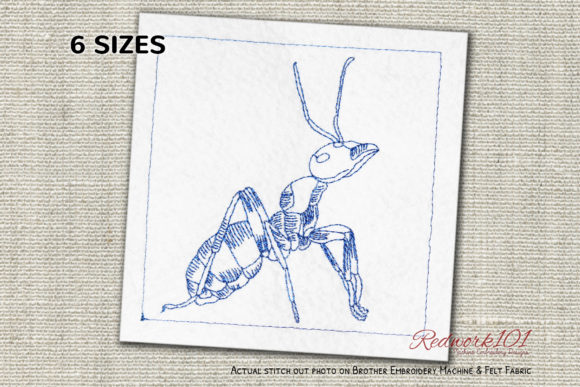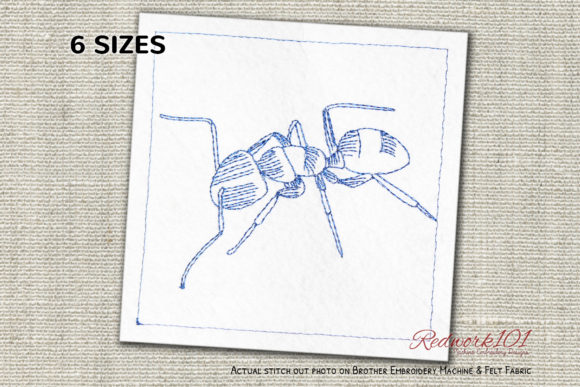
Carpenter Ant Redwork: A Bold Choice for Craft Fairs
As I spread out my samples on the folding table this morning, preparing for the upcoming weekend market, my eyes kept drifting back to the Carpenter Ant Redwork design. In the world of handmade goods, especially within the Bugs category, finding a motif that balances whimsy with rustic charm is often a challenge. Many insect designs lean too heavily into cartoonish territory or become so hyper-realistic they feel clinical. However, reviewing this specific machine embroidery design through the lens of a booth seller, I see immediate potential for high engagement and strong sales velocity.
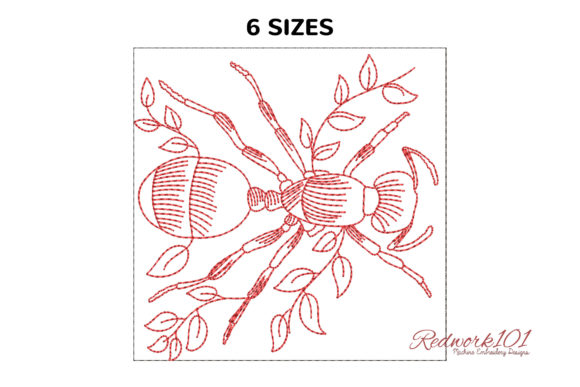
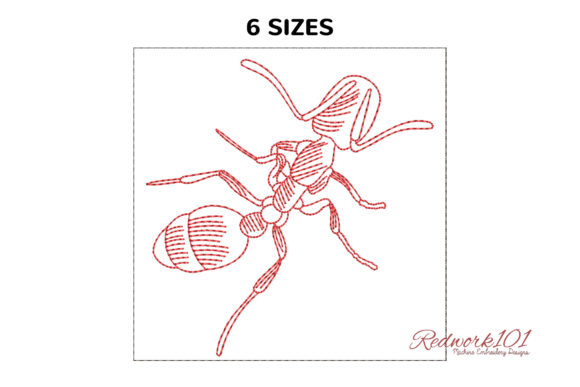
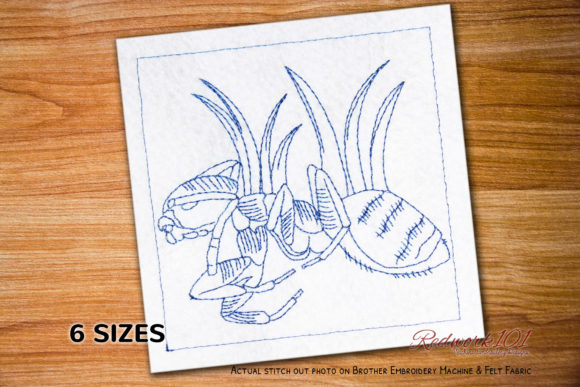
The first impression of Carpenter Ant Redwork is undeniably bold and rustic. The choice of redwork—a style relying on a single thread color, traditionally red, against a neutral background—immediately signals a farmhouse aesthetic. It feels grounded, slightly vintage, and perfectly suited for the current trend of "cabin core" and nature-inspired home decor. For an Etsy seller or a craft fair vendor, this mood is crucial. Customers walking down the aisle aren't just buying a bug; they are buying a vibe. This design screams "handmade quality" without trying too hard, offering a decorative element that feels both modern and timeless.
Visual Impact on Market Products
When evaluating where Carpenter Ant Redwork will perform best, I immediately gravitate toward kitchen linens and carry-alls. The simplicity of the line work makes it an exceptional tote bag design. On a natural canvas tote, the red stitching pops with incredible contrast, creating a focal point that is visible from three feet away—a critical distance for stopping foot traffic at a busy fair. Similarly, as apron embroidery, this design adds a touch of personality to a utilitarian item. It transforms a plain chef's apron into a conversation starter for the home cook who loves gardening or entomology.
I also see great promise in tea towel embroidery. Textured waffle weave or linen towels provide a beautiful backdrop for redwork. The slight unevenness of the fabric texture complements the hand-drawn feel of the ant illustration. For those looking to create a cohesive small shop product line, pairing a tote bag with a matching tea towel creates an instant gift set, increasing the average transaction value at the booth.
Beyond soft goods, this design translates beautifully into an embroidered patch. Mounted on denim jackets or canvas backpacks, the red outline stands out sharply. Patches are low-cost, high-margin items that appeal to younger demographics at craft fairs. Furthermore, applying this to a curved surface like a cap requires careful consideration, but if the hoop size and digitizing allow for it, a minimalist ant on a dad hat could be a surprising hit.
Production Practicality and Batch Efficiency
From a production standpoint, time is money. One of the strongest selling points of Carpenter Ant Redwork is its efficiency. Because it utilizes a single color run (excluding the optional box), there is no need for frequent thread changes. This makes it ideal for batch production. If I am prepping fifty tote bags for Saturday morning, I can hoop multiple items and let the machine run with minimal intervention. This repeatability is essential for maintaining inventory levels during peak seasons.
The design also photographs exceptionally well for online listings. High-contrast images are king on social media and marketplace platforms. A crisp photo of the red ant against white or cream fabric creates a striking printable mockup or listing image that stops the scroll. For digital sellers, this visual clarity means your design assets will look professional in previews, encouraging downloads for other makers.
However, we must discuss the technical nuances. While redwork is generally forgiving, the stitch density must be monitored. If the lines are too sparse, the design may look incomplete on thick fabrics. Conversely, if the density is too high on a lightweight fabric, it could cause puckering. Since the description notes that "The Box Stitch shown in picture is optional," this offers fantastic flexibility. I recommend skipping the box for smaller items like pouches to save space, but including it on larger wall hangings or pillow covers to frame the subject and add weight to the composition.
Navigating Fabric and Material Challenges
Every experienced embroiderer knows that fabric choice can make or break a design. With Carpenter Ant Redwork, contrast is your best friend. On dark fabrics, standard red thread might get lost or appear muddy. In these cases, I advise switching to a brighter scarlet or even a contrasting cream thread if you want to maintain the redwork style while ensuring visibility. Always test the design on scrap fabric before committing to your final stock.
Textured towels present another variable. The loops of a terry cloth towel can sometimes swallow fine details. Since this is a bug design, ensuring the legs and antennae remain distinct is vital. If the fabric texture is too aggressive, the tiny details of the ant might lose clarity. This is where the optional box becomes useful; it provides a solid boundary that anchors the eye even if the inner details soften slightly due to the material.
For curved surfaces like caps, the placement is critical. The center of the cap is often uneven. Ensure your digitizer has accounted for push-pull distortion so the ant doesn't look warped once stitched. Additionally, always use the right stabilizer. For stretchy knits or loose-weave linens, a cut-away stabilizer is often safer than tear-away to prevent the design from shifting or distorting over time after washing.
Maximizing Customer Engagement and Value
Ultimately, the success of Carpenter Ant Redwork at a craft fair comes down to the story it tells. It appeals to the nature lover, the gardener, and the fan of quirky home decor. By positioning it as a premium handmade product, you can justify a higher price point. Display it alongside dried botanicals, wooden crates, and other rustic elements to enhance its visual appeal.
Before launching this as a commercial embroidery product or selling the digital embroidery file itself, verify the licensing terms. The description mentions skipping the box if it's not part of the design, which implies customization is encouraged, but always confirm you have the rights for resale. Check the specific thread colors recommended by the designer to ensure the red matches your brand palette.
In conclusion, Carpenter Ant Redwork is a versatile, high-potential asset for any creative entrepreneur. Whether you are stocking a booth with finished goods or selling files to fellow makers, its blend of rustic charm and production efficiency makes it a standout choice. With careful attention to fabric contrast and stabilizer selection, this design is ready to crawl its way into the hearts (and homes) of your customers.