Macro Ghost Ant Design: A Designer's Real-World Review
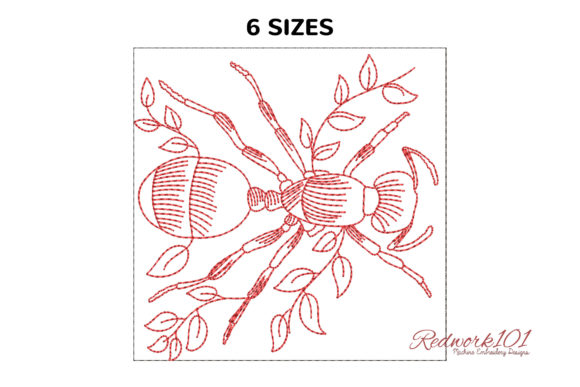
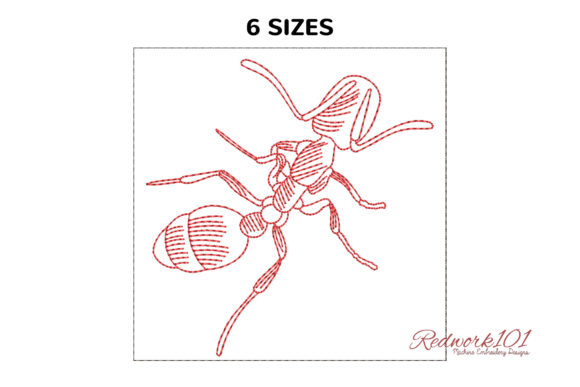
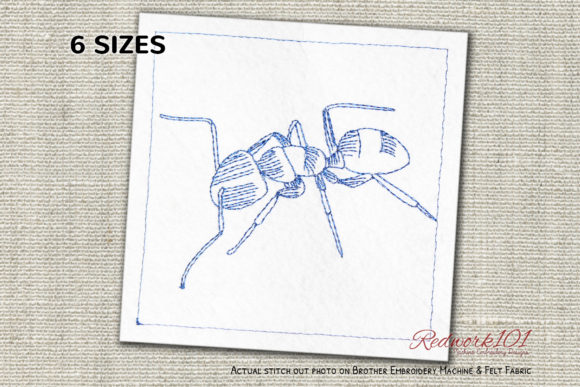
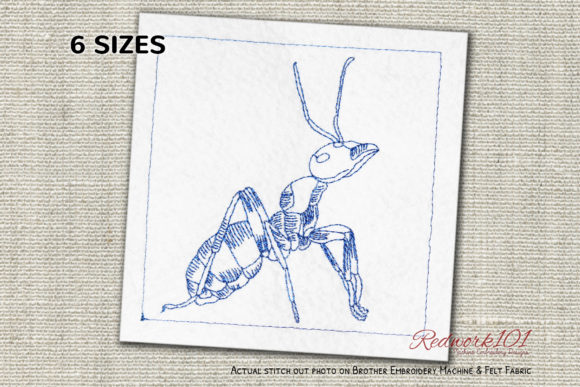
When I first pulled up the Macro Ghost Ant Design on my screen, my immediate reaction was one of quiet appreciation for its subtlety. In a world of embroidery files that often scream for attention with excessive density and neon palettes, this design whispers. It captures the ethereal, almost translucent quality of a ghost ant with a level of detail that suggests a keen eye for biological accuracy mixed with artistic interpretation. As a designer who spends hours staring at stitch maps and troubleshooting client projects, I look for files that offer versatility without compromising on visual impact. This piece feels less like a generic bug icon and more like a sophisticated graphic element ready to be integrated into high-end handmade products.
The Aesthetic: Minimalism Meets Nature
The visual personality of this machine embroidery design is rooted in modern minimalism. The "ghost" aspect implies a monochromatic or low-contrast approach, likely relying on the interplay between the thread sheen and the fabric texture rather than a rainbow of thread colors. This is a smart move for contemporary apparel decorators. When you are working on custom apparel like heather grey sweatshirts or natural linen tote bags, you don't always want a design that dominates the garment. Sometimes, you want an accent that rewards closer inspection.
The layout appears clean, avoiding unnecessary clutter. For those of us selling on Etsy or running small boutique shops, this kind of aesthetic is gold. It appeals to customers looking for understated, nature-inspired motifs that fit into a capsule wardrobe or a neutral home decor scheme. The design doesn't feel childish; it feels curated. This makes it an excellent candidate for adult-focused markets, moving away from the typical cartoonish Bugs category often found in children's baby embroidery projects.
Real-World Application: The Tote Bag Test
To truly evaluate an embroidery file, I have to imagine it stitched out on a real product. Let's say I am preparing a run of canvas tote bags for a local farmer's market or a eco-conscious brand launch. The Macro Ghost Ant Design would sit perfectly on the lower corner of a heavy-duty canvas bag. Because the design likely utilizes a mix of running stitch for outlines and perhaps subtle fill stitch for the body, it would lay flat without creating a stiff, cardboard-like patch on the fabric.
If I were to place this on a textured fabric, like a waffle-knit towel or a slub linen pillow cover, the simplicity of the ant allows the fabric's character to shine through. Complex designs with heavy saturation can get lost or distort on textured surfaces, but a linear, open design like this tends to adapt well. It creates a finished product that feels professional and intentional, rather than slapped on. For a personalized gift, such as a gardening kit bag or a library tote, this design adds a touch of whimsy without being overpowering.
Navigating Fabric Challenges
However, every design has its limits, and honest review means addressing where caution is needed. If you plan to use this on stretchy fabrics like jersey knits for sweatshirt embroidery or baby onesies, you must be vigilant about your stabilizer choice. Even with a lighter design, the movement of the fabric during stitching can cause registration issues, especially if the ant has fine legs or delicate antennae. I always recommend testing on scrap fabric of the same weight and stretch before committing to a client's garment.
Dark fabrics present another consideration. Since this is a "ghost" design, it presumably relies on light or metallic threads. On a black hoodie, you would need high-contrast thread to ensure the design pops. If the original file uses a specific shade of off-white or pale grey, it might vanish against a navy or charcoal background. Always check your thread color contrast ratios. A quick black-and-white mockup on your computer can save you from a disappointing stitch-out. Furthermore, if the design includes the optional box stitch mentioned in some variations, be aware that adding a border increases the overall stitch density. On thin fabrics, this could lead to puckering or needle perforation marks.
Commercial Viability and Brand Consistency
For Etsy sellers and creative entrepreneurs, the value of a design isn't just in how it looks, but in how it scales across a product line. The Macro Ghost Ant Design offers strong potential for brand consistency. Imagine a clothing line focused on entomology or nature conservation; this ant could serve as a subtle logo on a cap, a chest emblem on a jacket, and a large back print on a tee (if scaled appropriately, provided the hoop size allows).
The clean lines translate well into printable mockups for digital product previews. When customers browse online, they need to visualize the item clearly. Designs with too much noise or excessive satin detailing can look muddy in photos, but a crisp, linear design photographs beautifully, enhancing buyer engagement and trust. It signals that the maker cares about detail and quality.
Technical Notes for the Studio
Before loading this into your machine for a production run, there are a few practical steps to take. First, verify the licensing terms. While many designs allow for commercial use on physical items, restrictions on reselling the digital embroidery file itself are common. Ensure you are compliant if you are selling design assets or finished goods.
Second, inspect the small details. Does the design rely on tiny satin stitch columns for the legs? If so, these can be prone to breaking down after frequent washing. For items like aprons or kitchen towels that will see heavy use, you might consider adjusting the stitch type in your editing software to a more durable running stitch if the file format permits. Also, confirm the hoop size requirements. If the design is large, ensure your machine's maximum hoop can accommodate it without needing a re-hoop, which can introduce alignment errors.
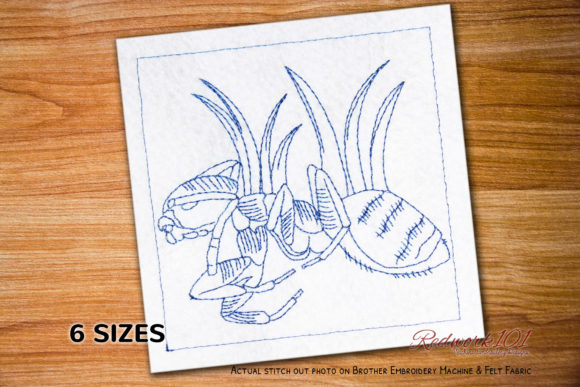
Finally, consider the optional box element. The description notes that the box color often differs or can be skipped. In a professional setting, I usually prefer to skip extraneous framing elements unless they serve a specific structural purpose or are part of a cohesive collection. Removing the box allows the ant to stand alone as a stronger graphic statement, giving you more freedom in placement on curved surfaces like caps or irregular patches.
In conclusion, the Macro Ghost Ant Design is a thoughtful addition to any designer's library. It bridges the gap between scientific illustration and decorative art, offering a versatile tool for creating unique, high-quality handmade products. Whether you are outfitting a team, stocking a holiday shop, or creating a bespoke gift, this design holds up under scrutiny, provided you respect the nuances of fabric and thread interaction. It is a reminder that sometimes, the most effective Embroidery projects are the ones that let the subject matter speak for itself.