Cow Head Applique: A Craft Fair Designer's Review
As I prepare my booth for the upcoming weekend craft fair, my table is covered in prototypes. I am looking for that one craft fair product that stops customers in their tracks. Among the stack of digital files on my tablet, the Cow Head Applique stands out immediately. As an experienced embroidery designer, I know that success at a market isn't just about having a pretty image; it is about understanding how a design translates from a screen to a physical handmade product. This review breaks down why this specific design is a powerhouse for farm-themed collections and how it performs across various items.
First Impressions and Market Mood
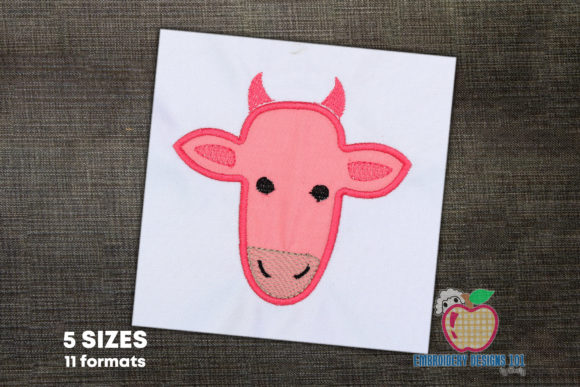
The moment you load the Cow Head Applique, the vibe is unmistakable. It strikes a perfect balance between rustic charm and modern simplicity. In today's market, "farmhouse" style is no longer just a trend; it is a staple. This design feels bold yet approachable. It avoids being overly cartoonish, which allows it to appeal to a wider demographic, from young families looking for cute nursery decor to adults seeking sophisticated kitchen textiles. The use of applique adds a layer of texture that flat stitching simply cannot match. When a customer walks by your booth, the raised fabric layers of the cow head catch the light differently than standard satin stitches, creating a tactile invitation to touch the item.
Where This Design Shines on Products
Selecting the right canvas is crucial for maximizing sales. Here is how the Cow Head Applique performs on key items for a vendor table:
- Tote Bags and Market Bags: This is arguably the strongest contender for a tote bag design. The large surface area allows the applique details to breathe. A natural canvas tote with a black-and-white cow head creates a high-contrast look that photographs beautifully for Instagram and Etsy listings.
- Aprons and Tea Towels: For apron embroidery and tea towel embroidery, this design serves as a fantastic focal point. Placed centrally on a bib apron or in the corner of a flour sack towel, it elevates a basic utility item into a giftable piece. The farm animal theme fits perfectly with kitchen aesthetics.
- Embroidered Patches: Creating standalone patches is a brilliant strategy for low-cost add-on sales. The defined edges of the cow head make it ideal for cutting out and selling as an embroidered patch that customers can iron onto denim jackets or hats later.
- Caps and Pouches: While viable, these require more caution. On a curved cap surface, the applique layers must be secured tightly to prevent shifting during wear. On small pouches, ensure the design is scaled down enough to remain proportional without losing the definition of the cow's features.
Production Practicality for Small Shops
For any Etsy seller or boutique maker, time is money. The description notes that steps are separated by color changes, which is a significant advantage for batch production. This structure allows you to run multiple hoops efficiently, stopping only when necessary to switch threads or add fabric layers. However, because this is an applique design, it inherently requires more hands-on time than a standard fill stitch. You must cut the fabric shapes and place them accurately before the machine tacks them down.
Despite the extra step, the perceived value of the finished product is much higher. Customers recognize the effort involved in applique work and are often willing to pay a premium for it. The design acts as a strong brand identifier; if you specialize in Farm Animals and rural themes, consistency in using high-quality applique designs like this builds trust and recognition among your repeat buyers.
Technical Considerations and Careful Use
While the Cow Head Applique is robust, there are technical pitfalls to avoid to ensure professional results. Attention to stitch density is vital. Applique designs rely on the tack-down stitches to hold the fabric, but if the density is too high on lightweight materials, it can cause puckering. Conversely, on thick fabrics like terry cloth towels, the needle might struggle to penetrate multiple layers of added fabric.
Here are specific areas requiring careful attention:
- Fabric Texture: Avoid using this on highly textured fabrics like looped towels unless you use a water-soluble topping. The texture can obscure the clean lines of the cow's face.
- Dark Fabric: If stitching on dark backgrounds, ensure your applique fabric is opaque enough so the base color does not show through, or consider adding a backing layer.
- Small Details: If scaling the design down for small items like coin purses, verify that the eyes and nose details do not become too small to stitch cleanly. Tiny details can get lost or merge together at reduced sizes.
- Curved Surfaces: When embroidering on caps, the curvature can distort the shape of the applique. Always hoop securely and consider using a stiffer stabilizer to maintain the integrity of the cow head shape.
Maximizing Visual Appeal and Sales
The visual impact of the Cow Head Applique extends beyond the physical item to your marketing materials. For online listings, this design creates excellent printable mockup opportunities. The contrast between the thread colors and the fabric layers makes for striking images that stand out in crowded search results. Whether you are selling the digital embroidery file itself or the physical goods, the clarity of the design helps buyers instantly understand what they are getting.
To truly leverage this asset, create a cohesive display. Group items featuring the cow head together—perhaps a "Farm Fresh" collection including a tote, a towel, and a set of coasters. This encourages bundle purchases. The design's versatility means it can fit into seasonal displays as well, perhaps paired with sunflowers for summer or pumpkins for autumn, maintaining its relevance year-round.
Final Designer Notes for Success
Before committing to a full production run for your next market, adhere to these professional guidelines. First, always test the design on scrap fabric that matches your final product material. Check the thread colors against your fabric choices to ensure sufficient contrast. Review the spacing between the applique edge and the satin border to ensure a clean finish.
Confirm the required hoop size before purchasing or hooping your fabric; running out of space mid-stitch is a disaster at a craft fair. Inspect the stitch density settings on your machine; sometimes default settings need adjustment for specific thread brands. Most importantly, use the right stabilizer. For applique, a cut-away stabilizer is often recommended to support the weight of the added fabric layers and prevent distortion over time.
Create at least one real mockup to photograph for your ads. Compare how the design looks on white versus cream versus colored fabrics to offer variety. Finally, although the product description mentions multiple file formats and color-separated steps, always double-check the licensing terms included with the file. Ensure you have the rights for commercial embroidery if you plan to sell finished goods made with this design. By treating the Cow Head Applique with the respect and preparation it deserves, you turn a simple digital file into a best-selling centerpiece of your handmade business.