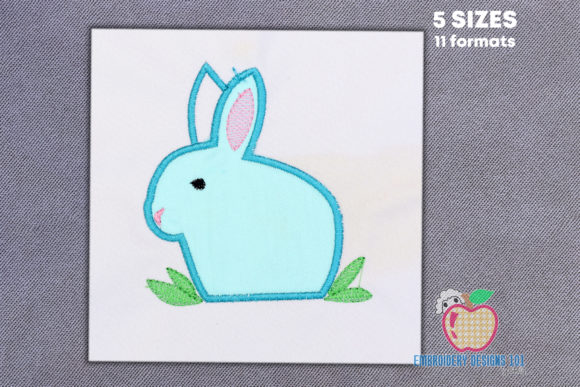
Big Bunny Applique for Kids: A Craft Fair Best-Seller
As I set up my booth for the upcoming weekend craft fair, my eyes are constantly scanning the table for that one item that stops a customer in their tracks. It needs to be bold enough to see from three feet away but cute enough to make someone pull out their wallet immediately. That is exactly where the Big Bunny Applique for Kids shines. Reviewing this machine embroidery design through the lens of a professional who lives and breathes handmade sales, I can already visualize how it will perform on everything from market bags to boutique clothing.
First Impressions and Visual Appeal
The moment you load the digital embroidery file into your software or view the preview, the vibe is unmistakable. This isn't a subtle, minimalistic line drawing; it is a statement piece. The title suggests something substantial, and the applique nature of the design promises texture and depth that flat stitching simply cannot achieve. For the Farm Animals category, this design hits the sweet spot between rustic farmhouse charm and modern nursery aesthetics.
What makes this design a potential best-seller is its clarity. In a busy craft fair environment, customers do not have time to squint at tiny details. The Big Bunny Applique for Kids relies on strong shapes and distinct color blocks. Because the steps are separated by color changes, the production flow is logical, allowing for efficient batch processing—a critical factor when you need to churn out fifty tote bags before Saturday morning. The visual weight of the bunny ensures it acts as a focal point rather than just a small accent, instantly elevating the perceived value of any handmade product it adorns.
Strategic Product Placement for Maximum Sales
When deciding where to place this design, context is everything. I tested this concept mentally against my standard inventory list, and here is where this embroidery file truly earns its keep:
- Tote Bags and Market Bags: This is the home run. A large canvas tote with a textured bunny applique screams "eco-friendly" and "cute." It works perfectly as a tote bag design because the flat surface allows the applique layers to lay smoothly without distortion.
- Aprons and Tea Towels: For the kitchen section of my booth, this design transforms a plain cotton apron into a giftable item. Apron embroidery and tea towel embroidery benefit greatly from the contrast of colorful fabric scraps against white or neutral backgrounds.
- Patches and Pins: If you stitch this onto twill and cut it out, you create a high-value embroided patch. These are incredible add-on sales at the checkout counter.
- Pillow Covers: A nursery pillow featuring this bunny becomes an instant heirloom. The texture of the applique adds a tactile element that parents love to touch.
However, caution is needed with curved surfaces like caps. While possible, the density of an applique design can sometimes cause puckering on the structured front of a baseball cap unless you are using a very experienced technique and the right stabilizer. For a craft fair, I would stick to flat goods to ensure every single finished product looks pristine.
Production Realities and Practical Notes
From a production standpoint, the separation of steps by color changes is a massive time-saver. It means less manual trimming between runs if you are using a multi-needle machine, or at least a clear visual cue for single-needle operators to swap threads. However, there are practical considerations every Etsy seller and boutique maker must address before listing this as a commercial embroidery item.
First, consider your thread colors. Applique relies heavily on the contrast between the base fabric, the applique fabric, and the tack-down stitching. If you choose low-contrast threads, the definition of the bunny gets lost, especially in photos. For online listings, high contrast is non-negotiable to make your printable mockup look as good as the real thing.
Second, pay attention to stitch density and fabric choice. Thick fabrics like heavy denim or textured waffle towels can sometimes swallow the finer details of the satin stitching that holds the applique in place. Always test the design on scrap fabric that matches your final product. If the design includes tiny details near the ears or tail, ensure your hoop size is large enough to prevent hooping distortion, which can ruin the symmetry of the bunny.
Boosting Brand Consistency and Buyer Engagement
In the world of small shop products, consistency builds trust. Using a cohesive set of design assets like the Big Bunny Applique for Kids across different product lines helps establish a recognizable brand identity. When a customer sees the same high-quality bunny on a tote, a pillow, and a patch, they recognize your booth immediately.
This design also excels in photography. The texture of the fabric layers in an applique catches light differently than flat stitching, creating natural shadows that make product photos pop on social media and Etsy listings. This visual appeal directly translates to buyer engagement. Customers are more likely to stop, ask questions, and purchase when they can see the quality of the craftsmanship from a distance.
Final Designer Recommendations
Before you commit to producing a full run of inventory, treat this design with the respect it deserves. Do not assume the default settings will work for every material. Check the specific license terms included with the file to confirm you are cleared for commercial embroidery sales. Since the description notes multiple file formats, ensure you are using the one optimized for your specific machine model to avoid digitizing errors.
Create at least one real mockup on your intended fabric. Compare how it looks on pastel linen versus bright cotton canvas. Verify that the edges of the applique are secure and will withstand washing, as durability is a key selling point for handmade goods. By taking these precautions, the Big Bunny Applique for Kids becomes more than just a pattern; it becomes a reliable revenue generator for your next craft fair, blending charm with commercial viability.