Trick or Treat Design Review: A Craft Fair Best-Seller
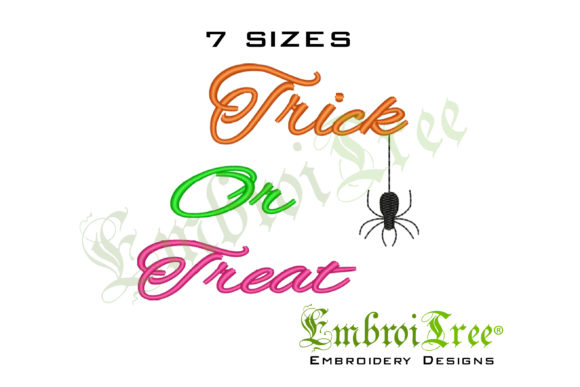
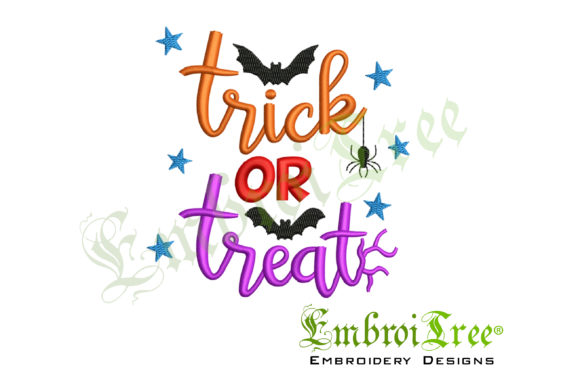
As an embroidery designer who has spent countless weekends manning booths at local craft fairs and handmade markets, I know that the difference between a slow Saturday and a sold-out display often comes down to one thing: visual impact. When I first pulled up the Trick or Treat Design on my screen, my immediate thought was not just about the aesthetics, but about its potential as a high-volume craft fair product. This machine embroidery design carries a bold, festive energy that screams "Halloween" without being overly spooky, making it accessible for a wide range of customers from young families to boutique owners looking for seasonal decor.
The first impression of this design is undeniably cute and festive. It strikes a balance between playful and classic, avoiding the trap of being too childish or too dark. For a handmade product line, this versatility is gold. The fact that it comes in three sizes is a significant advantage for a producer like me. It means I can scale the same embroidery file across different items without needing to source multiple designs. However, the note stating that re-sizing or editing is not recommended is crucial. As a professional, I respect the integrity of the digitizer's work; altering the proportions could ruin the stitch density and cause registration issues, especially with detailed lettering or small motifs.
Maximizing Sales Across Product Lines
When setting up my booth table, strategy is everything. I imagine laying out a variety of items to show the versatility of the Trick or Treat Design. The most obvious winner here is the tote bag design. A canvas tote with this design centered on the front becomes an instant statement piece. Customers love reusable bags during the holiday season for trick-or-treating or carrying party supplies. The design's clarity ensures it reads well from a distance, drawing people to the booth.
Moving into the kitchen category, apron embroidery and tea towel embroidery are staple sellers. An apron featuring this design makes for a perfect hostess gift or a fun item for someone baking Halloween treats. Similarly, linen or cotton tea towels with this motif add a touch of seasonal flair to any kitchen. Because the design includes a color chart, matching thread colors to specific fabric textures becomes straightforward, ensuring the final look is cohesive whether I'm using a rustic burlap or a smooth cotton twill.
For smaller, impulse-buy items, I would highly recommend creating an embroidered patch. Patches are incredibly popular among Etsy sellers and craft fair vendors because they are easy to ship and apply to various surfaces like denim jackets or backpacks. Additionally, small fabric pouches and pillow covers serve as excellent small shop product additions. A zippered pouch with this design is perfect for holding candy or small treasures, while a decorative pillow cover can elevate a customer's home decor instantly.
Production Practicality and Visual Appeal
From a production standpoint, the Trick or Treat Design appears to be optimized for batch production, which is essential when preparing for a busy market weekend. The design seems to have a clear focal point, making it easy to hoop and align. However, practical selling points must be weighed against production challenges. One must consider how the design photographs for online listings. A design that pops in person must also translate well into a printable mockup or digital photo for an Etsy seller portfolio. High contrast between the thread and the fabric is key here.
Visual appeal drives buyer engagement. This design likely boosts product value because it looks professional and finished. In a sea of handmade goods, brand consistency is vital. Using the same design assets across tote bags, aprons, and pillows creates a unified collection that looks curated rather than random. This coherence strengthens the booth display, making it look like a established brand rather than a hobbyist setup.
Critical Considerations for Execution
While the potential is high, there are careful-use notes every embroiderer must heed before running a full batch. First, pay close attention to dense stitch areas. If the design has heavy fill regions, it may pucker on lighter fabrics if the wrong stabilizer is used. Always test the design on scrap fabric that matches your final product material. This is non-negotiable for maintaining quality.
Thread contrast is another major factor. On dark fabric, ensure the thread colors provided in the chart are bright enough to stand out. Conversely, on white or cream fabrics, make sure the outlines are distinct. Tiny details and small lettering can sometimes get lost, especially if you attempt to use the smallest of the three included sizes on a textured surface like a waffle-weave towel or a thick terrycloth apron. The fabric texture can swallow up fine stitches, reducing clarity.
Curved surfaces, such as caps, present their own challenges. While a cap with this design would be a great seller, the curvature requires precise hooping and potentially a different stabilizer approach to prevent distortion. Furthermore, since the description states re-sizing is not recommended, you must confirm the hoop size required for each of the three versions fits your machine's capabilities before committing to a specific product type.
Final Verdict for the Creative Entrepreneur
In conclusion, the Trick or Treat Design is a robust choice for anyone looking to expand their commercial embroidery offerings during the Halloween season. It offers the flexibility needed for a diverse product range while maintaining a strong visual identity. For digital embroidery file users and boutique makers, the inclusion of three sizes and a color chart simplifies the workflow significantly.
Before listing your finished product online or setting up your booth, remember to create at least one real mockup. Compare how the design looks on different fabric colors to find the combination that yields the highest perceived value. Finally, always confirm commercial licensing terms before selling. While this design is stunning, ensuring you have the right to sell items made with it is the most important step of all. With proper testing and strategic product placement, this design has the potential to be a standout star in your holiday collection.