Trick or Treat Machine Design Review
As an embroidery designer who spends more time staring at stitch maps than most people care to admit, I approach every new download with a critical eye. When I stumbled upon the Trick or Treat Machine Design on Creative Fabrica, my initial reaction was a mix of seasonal excitement and professional caution. We all know that Halloween is a massive revenue driver for small business owners and Etsy sellers, but the market is flooded with generic spooky graphics. The real question for us commercial embroiderers is whether a specific embroidery file can translate from a digital preview into a high-quality finished product that customers will trust and love.
This review breaks down the potential of this design for real-world applications, ranging from custom apparel to home decor, based on the details provided and general best practices for machine embroidery.
First Impressions and Visual Mood
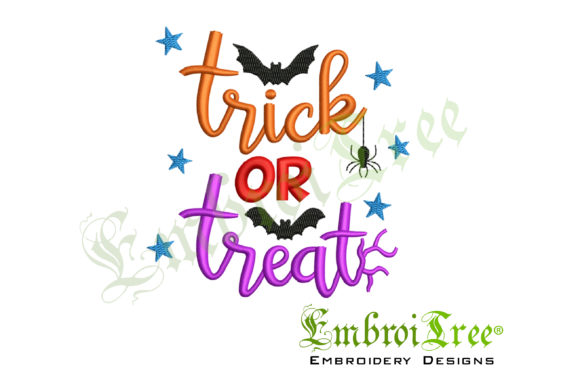
The first thing that strikes me about the Trick or Treat Machine Design is its versatility within the Halloween category. While many spooky designs lean heavily into horror or gore, this piece seems to capture the playful, nostalgic spirit of the season. For a designer, the "stitching personality" of a file is crucial. Does it look like a block of plastic, or does it have texture and movement? Based on the description noting it as a "stunning machine embroidery design," one can expect a balanced use of satin stitch for outlines and fill stitch for broader areas, which is essential for creating depth without excessive bulk.
The inclusion of a color chart is a significant plus. In commercial embroidery, color accuracy is non-negotiable. Having a recommended thread list saves hours of guesswork and ensures that the thread colors pop correctly against various fabric backgrounds. Whether you are aiming for traditional orange and black or trying to create a pastel "baby's first Halloween" look, understanding the intended palette helps in making informed substitutions if necessary.
Real-World Application Scenarios
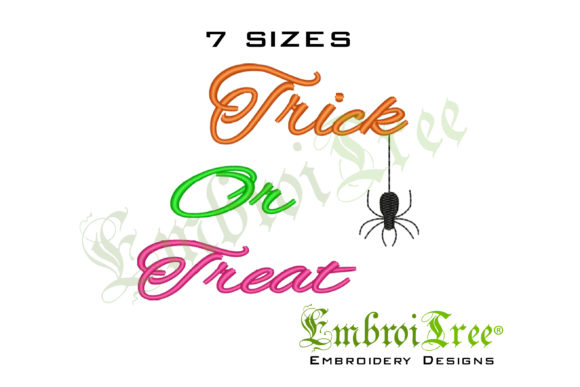
When evaluating a digital embroidery file, I immediately start visualizing it on actual products. The fact that the Trick or Treat Machine Design comes in 7 sizes makes it incredibly adaptable for a wide range of handmade products. Here is how I see this design performing in a real shop environment:
- Custom Apparel: The medium to large sizes would be perfect for the front chest of a sweatshirt embroidery project or the back of a denim jacket. The design likely has enough detail to stand out on heavier fabrics like fleece or French terry.
- Tote Bags and Aprons: Canvas tote bags are staples for craft fairs. A well-digitized design here acts as a statement piece. Similarly, an embroidered apron with this motif makes for a fantastic hostess gift during the autumn season.
- Baby Items and Nursery Decor: The smaller hoop sizes included in the pack are ideal for baby onesies, bibs, or even a decorative pillow cover for a nursery. This expands your customer base beyond just adult Halloween enthusiasts.
- Patches and Caps: If the smallest size maintains its integrity, it could work beautifully as an embroidered patch or on the front panel of a structured cap, though curved surfaces always require extra attention.
For Etsy sellers and boutique owners, this versatility means you can create a cohesive collection of design assets without needing to purchase multiple files. You can offer a matching set of a tote bag, a towel, and a shirt, which increases the average order value and enhances brand consistency.
Technical Considerations for Production
While the aesthetic appeal is clear, the technical execution is where a design lives or dies. The product description explicitly states: "Re-sizing or editing of the designs is not recommended." As a professional, I respect this warning. Altering a professionally digitized file can ruin the stitch density, leading to bird nesting, thread breaks, or distorted shapes. It is vital to select the correct size from the provided options before hooping your fabric.
There are several practical factors to consider before running this design on a customer's item:
- Fabric Selection: Halloween designs often feature bold colors. If you are stitching on dark fabric, ensure the underlay is sufficient to prevent the background from showing through the fill stitch areas. Conversely, on light fabrics, check that the dense areas don't cause puckering.
- Stabilizer Choice: The type of stabilizer is critical. For stretchy fabrics like t-shirts or sweatshirts, a cut-away stabilizer is usually safer to prevent distortion over time, especially if the Trick or Treat Machine Design has large solid areas. For woven items like kitchen towels or pillow covers, a tear-away might suffice, but always test first.
- Small Details: If the design includes tiny lettering or intricate "trick or treat" text elements, these can be challenging on textured fabrics like towels or caps. Inspect the smallest size closely; if the details are too fine, it might be better suited for smooth cotton or poly-blends rather than rough linen or terry cloth.
- Hoop Size Constraints: With 7 sizes available, you likely have options for both 4x4 and 5x7 hoops. However, always confirm the exact dimensions against your machine's capabilities. Trying to force a design into a hoop that is too tight can lead to misalignment.
Enhancing Product Value and Brand Trust
In the world of handmade goods, presentation is everything. Using a high-quality Creative Fabrica embroidery design like this can significantly elevate the perceived value of your items. A crisp, clean stitch-out signals professionalism. When a customer receives a personalized gift or a piece of custom apparel that looks factory-perfect yet feels handmade, it builds trust in your brand.
Furthermore, the visual appeal of the design impacts your marketing. High-contrast, well-defined designs photograph better for printable mockup creation and social media posts. A design that looks good in photos drives engagement and clicks. If the Trick or Treat Machine Design delivers on its promise of being "stunning," it becomes a key asset in your product photography, helping your listings stand out in a crowded marketplace.
Final Verdict and Best Practices
Before committing to a full production run, I always advise a rigorous testing phase. Download the file and stitch it out on a scrap piece of the exact fabric you intend to use for the final product. Check the thread tension, inspect the back of the hoop for excessive buildup, and wash the test sample to ensure durability. Since the description mentions the quality but cuts off slightly, it is prudent to verify the file formats (DST, PES, EXP, etc.) to ensure compatibility with your specific machine brand.
Additionally, always review the licensing terms on the Creative Fabrica product page. While most designs allow for commercial use on physical items, confirming that you can sell finished goods made with the Trick or Treat Machine Design is a necessary step for any commercial embroidery business.
In conclusion, this design appears to be a robust option for designers looking to expand their Halloween offerings. Its multi-size format, included color chart, and apparent attention to detail make it a strong candidate for everything from festive tote bag designs to cozy sweatshirt embroidery. By respecting the digitizer's constraints regarding resizing and paying attention to stabilizer and fabric choices, you can turn this digital file into a best-selling physical product that delights customers year after year.