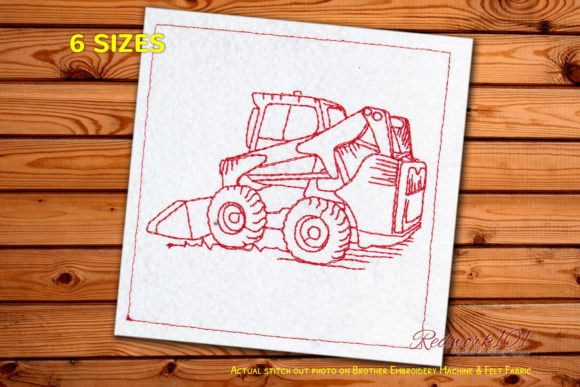
Skid-steer Loader: A Bold Choice for Craft Fair Success
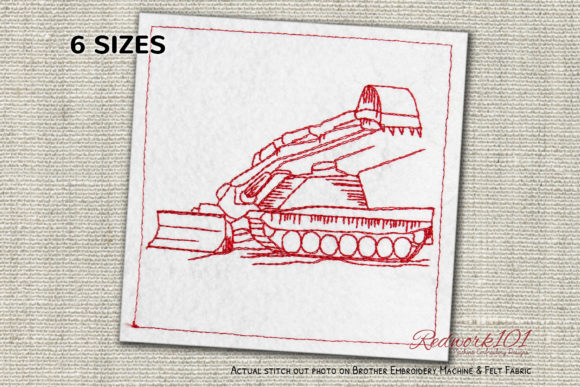
As an embroidery designer who has spent countless weekends setting up booth displays and managing online shops, I know that the difference between a design that sits on the shelf and one that flies off the table often comes down to immediate visual impact. When I pulled up the Skid-steer Loader machine embroidery design to evaluate it for my upcoming craft fair lineup, I was looking for something that could bridge the gap between rugged utility and handmade charm. This isn't just another floral motif; it is a statement piece rooted in the Transportation category that speaks directly to a specific, loyal demographic.
The first impression of the Skid-steer Loader is undeniably bold and rustic. It carries a "working man" aesthetic that feels authentic rather than forced. In a sea of soft, farmhouse-style florals that dominate many handmade markets, this design stands out as a modern, industrial accent. It feels premium because of its subject matter—it implies strength and durability. For an Etsy seller or boutique maker, this translates to higher perceived value. Customers aren't just buying a stitched image; they are buying an identity. Whether it is for a contractor, a landscape architect, or someone who simply loves heavy machinery, this design commands attention.
Where This Design Shines on Finished Products
When planning my table display, I immediately envisioned where the Skid-steer Loader would perform best. The versatility of this embroidery file allows it to work across various substrates, but some applications are clearly superior for driving sales.
- Tote Bags and Market Bags: This is arguably the strongest contender for this design. A canvas tote featuring a Skid-steer Loader appeals to workers who need durable carry-alls and parents who appreciate the theme for their children. As a tote bag design, it serves as a large focal point that is easily readable from three feet away, which is crucial for booth traffic.
- Aprons and Workwear: An apron embroidery featuring heavy machinery creates an instant connection with the user's profession or hobby. It transforms a standard kitchen or workshop apron into a personalized uniform. The rugged nature of the loader complements the utility of the garment perfectly.
- Tea Towels and Kitchen Linens: While slightly more niche, tea towel embroidery with this motif works well for "man cave" kitchens or as humorous gifts for spouses. However, care must be taken with fabric texture here; a waffle weave might obscure fine details.
- Embroidered Patches: Creating an embroidered patch version of the Skid-steer Loader is a brilliant move for small shop products. Patches are low-cost, high-margin items that allow customers to customize their own jackets or bags. They are also excellent add-on sales at the checkout counter.
- Caps and Hats: Placing this on a curved cap surface can be tricky, but if the design scales down well, it becomes a powerful branding tool for local construction companies or trade schools.
Practical Production and Selling Considerations
From a production standpoint, the Skid-steer Loader appears to be a repeatable asset for batch production. The lines look clean and defined, suggesting that it will stitch out reliably on commercial embroidery machines. One of the most critical factors for a craft fair product is how quickly you can produce it without sacrificing quality. If the stitch density is balanced—not too light to look cheap, not too dense to cause puckering—this design can be run efficiently on multiple garments during a prep week.
Photography is another area where this design excels. For an Etsy seller creating digital embroidery file listings or printable mockups, the distinct shape of the loader photographs beautifully against contrasting backgrounds. It creates strong shadows and highlights that make the finished product pop in online thumbnails. When customers scroll through search results, the recognizable silhouette of the Skid-steer Loader stops the eye faster than abstract patterns.
Navigating Technical Challenges and Careful Use
Despite its strengths, every designer knows that no file is without its quirks. There are specific areas where the Skid-steer Loader requires careful attention before you commit to a full production run.
First, consider the stitch density. Heavy machinery designs often rely on solid fill areas to depict the body of the vehicle. On thick fabric like denim or canvas tote bags, this is rarely an issue. However, if you attempt this on a lightweight polo or a textured towel, you risk fabric distortion. Always test the design on scrap fabric that matches your final product material.
Second, pay close attention to the optional Box Stitch mentioned in the product description. The notes indicate that the outer box color often differs from the main design and can be skipped. This is a vital detail for customization. If a customer wants the loader without a border for a cleaner look on a dark fabric, knowing you can skip that color stop saves time and thread. Conversely, if the box frames the design nicely, ensure your thread colors provide enough contrast so the image doesn't blend into the background.
Tiny details are another potential pitfall. Does the design include small lettering or intricate hydraulic lines? At smaller sizes, such as on a pocket or a child's item, these elements may lose clarity. It is essential to review the design at 100% zoom on your software and physically stitch a sample at the intended size. If the details merge into a blob of thread, you may need to resize or simplify the file before offering it as a small shop product.
Maximizing Visual Appeal and Buyer Engagement
The ultimate goal of any handmade product is to engage the buyer. The Skid-steer Loader achieves this by tapping into a sense of pride and utility. When displayed in a booth, pair this design with earth tones—navy, charcoal, olive green, and tan fabrics. These colors reinforce the industrial, outdoor vibe of the transportation theme.
Brand consistency is key. If your shop specializes in rustic or utility-themed goods, this design strengthens your brand identity. It tells customers that you understand their lifestyle. For digital sellers, offering this as part of a "Construction Series" or "Transportation Collection" increases the average order value, as buyers often want the matching set for different family members.
Final Designer Notes for Success
Before listing this as a commercial embroidery product or stocking your booth, follow these practical steps:
- Check Thread Contrast: Ensure the thread colors chosen make the loader stand out against the fabric. Dark thread on dark fabric is a common mistake that kills sales.
- Confirm Hoop Size: Verify that the design fits within your available hoop size without needing excessive re-hooping, which slows down production.
- Select the Right Stabilizer: For heavy fill designs, a cut-away stabilizer is often safer than tear-away to prevent long-term distortion, especially on stretchy fabrics.
- Create a Real Mockup: Do not rely solely on digital simulations. Stitch one physical sample to check for pull compensation and overall aesthetic.
- Review Licensing: Since this is a digital embroidery file intended for finished goods, confirm the commercial licensing terms. Ensure you are allowed to sell the physical embroidered items created from this design.
In conclusion, the Skid-steer Loader is a robust, versatile addition to any embroidery portfolio. It moves beyond the typical decorative norms to offer something with character and purpose. By understanding its technical requirements and positioning it on the right products, you can turn this single design into a staple of your craft fair inventory and a best-seller in your online store.